-

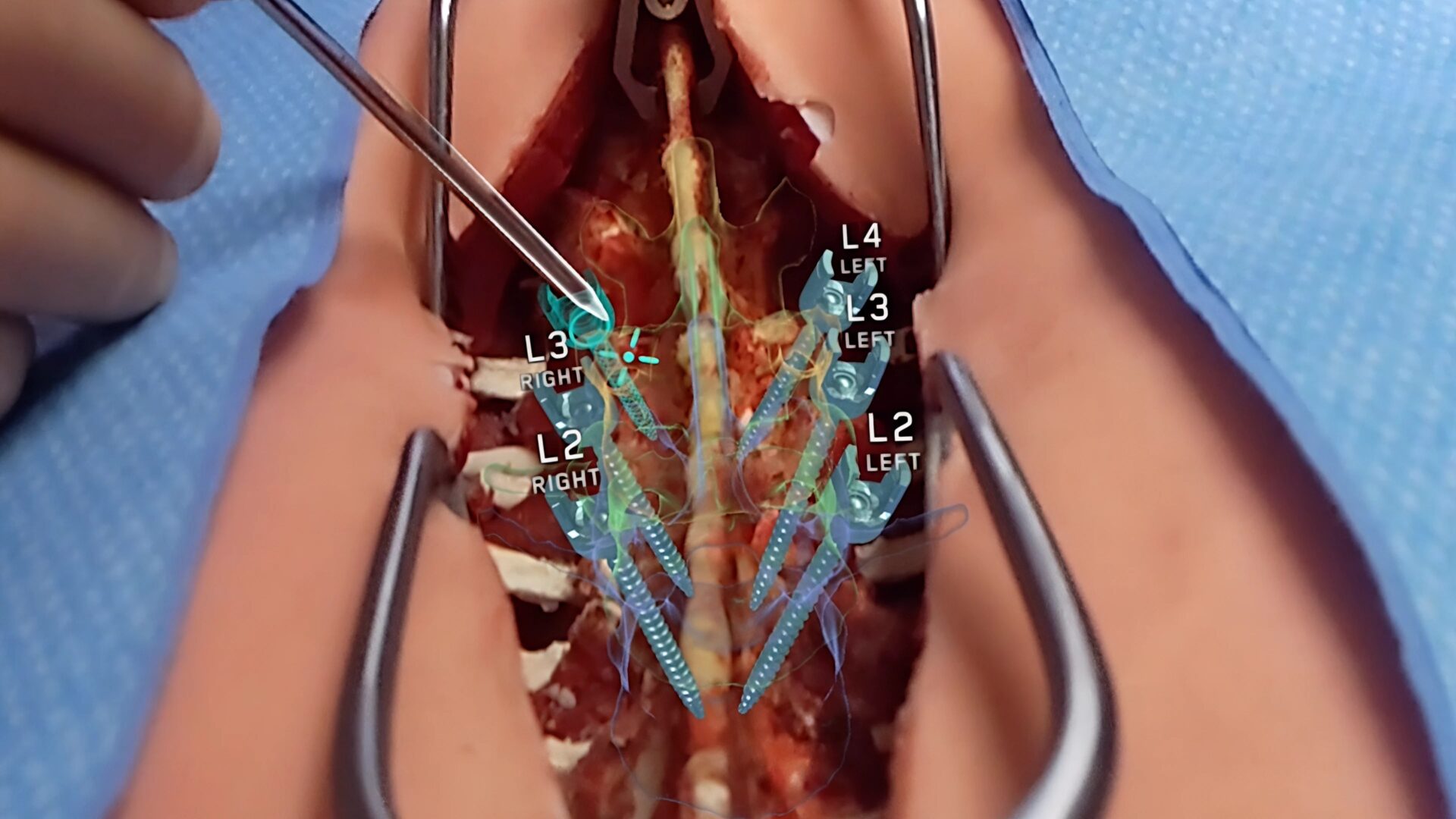
Even for those not fluent in tech, the idea of seeing a CT scan as a 3D hologram floating over the patient is simply wow. Medivis, a leading surgical intelligence company, has just received FDA 510(k) clearance for its Spine Navigation platform—and it’s now available in U.S. hospitals and surgical centers. This marks the beginning…
-

Imagine a world where seeing a doctor doesn’t require a waiting room, an appointment, or even a physical clinic. In China, that world is no longer science fiction—it’s reality. Welcome to Agent Hospital, the first hospital in the world fully managed by artificial intelligence (AI), where virtual doctors and nurses work around the clock to…
-

Have you ever worried about a strange mole on your skin? Traditionally, checking it meant a small surgical cut and a long wait for lab results. But a new technology developed at Stanford is changing everything. Doctors may soon be able to scan your skin and get results in minutes—without ever breaking the surface. Musumeci…
-

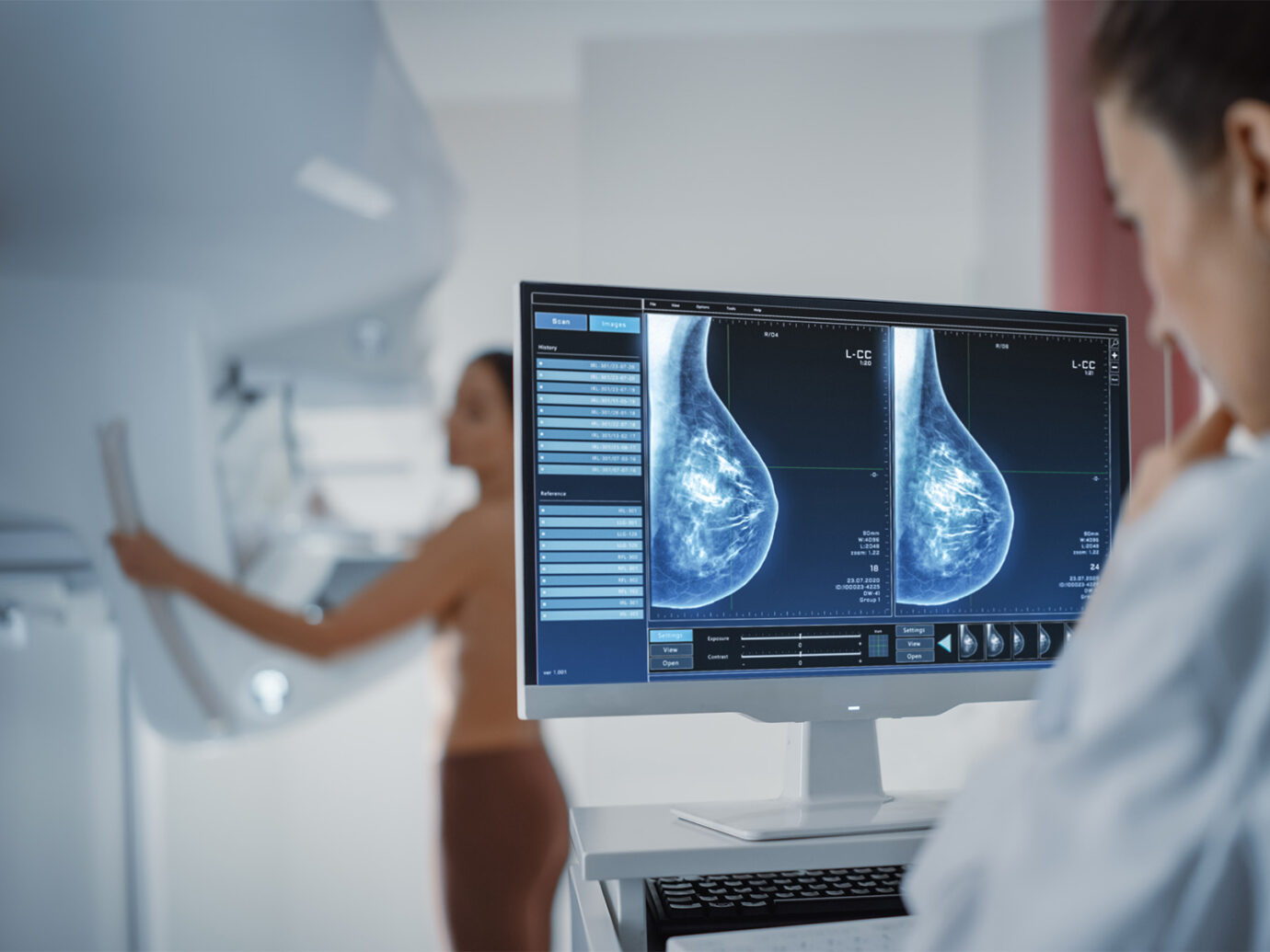
Imagine trying to spot a single white cloud in a bright, overcast sky. That’s the challenge doctors face when diagnosing breast cancer in women with dense breast tissue — a condition that affects nearly 4 in 10 women. Both the dense tissue and cancerous tumors appear white on traditional mammograms, making it hard to tell…
-

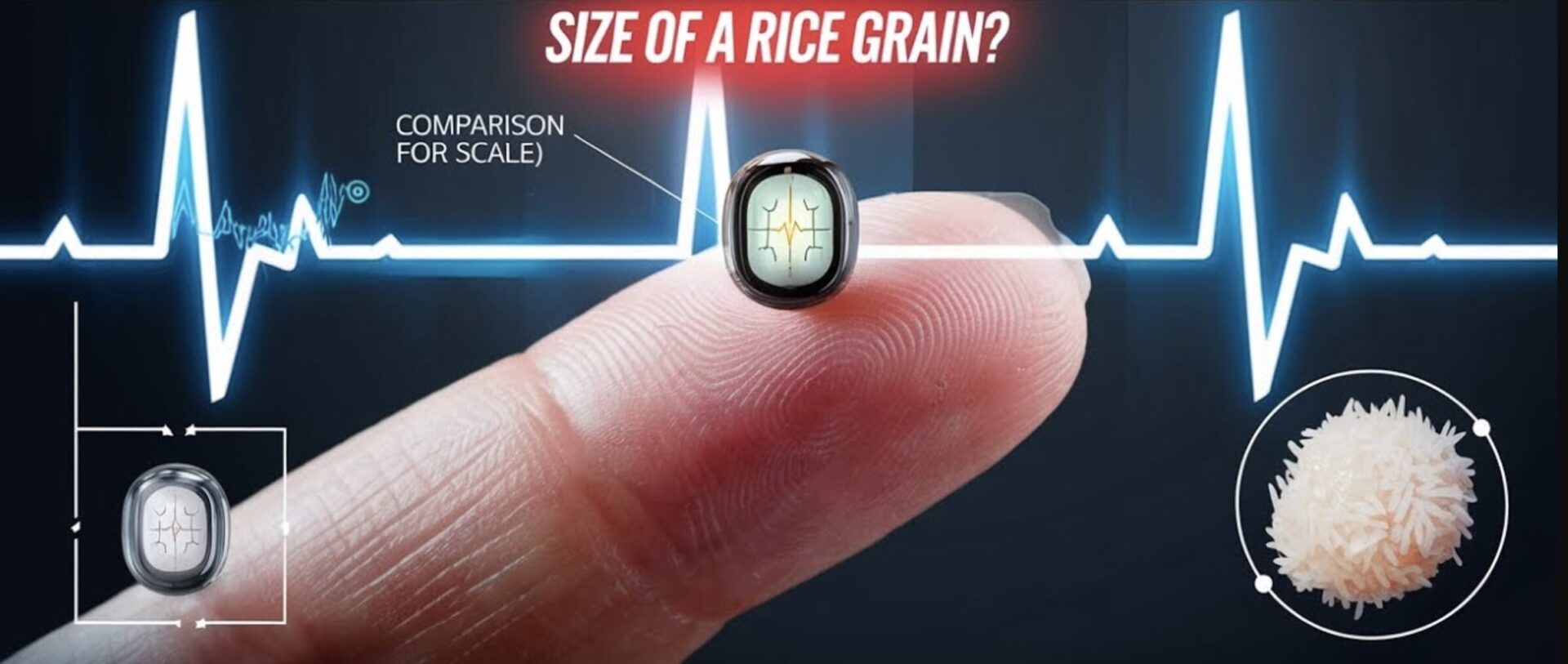
Most people think of a pacemaker as a small box tucked under the skin, with wires snaking through blood vessels to the heart. But researchers at Northwestern University have invented something entirely different: a pacemaker smaller than a grain of rice—about 1.8 mm wide, 3.5 mm long, and only 1 mm thick—that can be injected…
-

Healthcare professionals around the world are witnessing a remarkable transformation as artificial intelligence reshapes medical diagnostics. While AI promises faster, more accurate diagnoses, it’s not immune to errors that can impact patient care. This article explores common AI diagnostic mistakes and offers practical solutions that healthcare providers can implement today, empowering clinicians to harness AI’s…
-

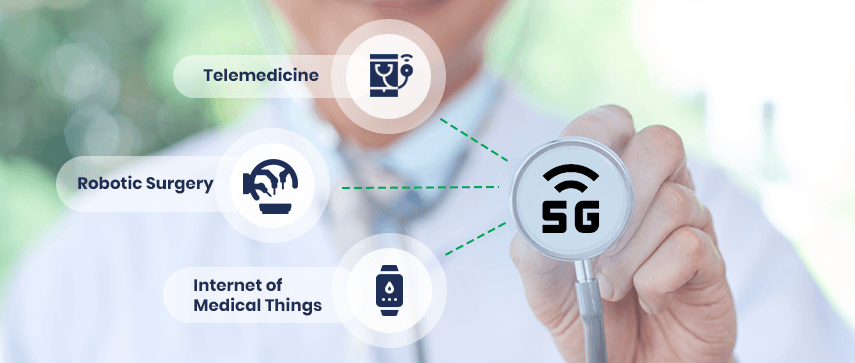
Picture a world where seeing your doctor is as easy as making a video call, no matter where you live. Thanks to 5G technology, this is quickly becoming a reality. The fifth generation of wireless networks, known as 5G, is changing the way doctors and patients connect, making healthcare faster, smarter, and more accessible than…
-

Picture this: you wake up, slip on a ring or a watch, and instantly your health data starts flowing-heart rate, blood pressure, sleep quality, and more. In 2025, this is not science fiction but everyday life for millions. Wearable health monitors are rapidly changing how we manage our well-being, making healthcare more personal, proactive, and…
-

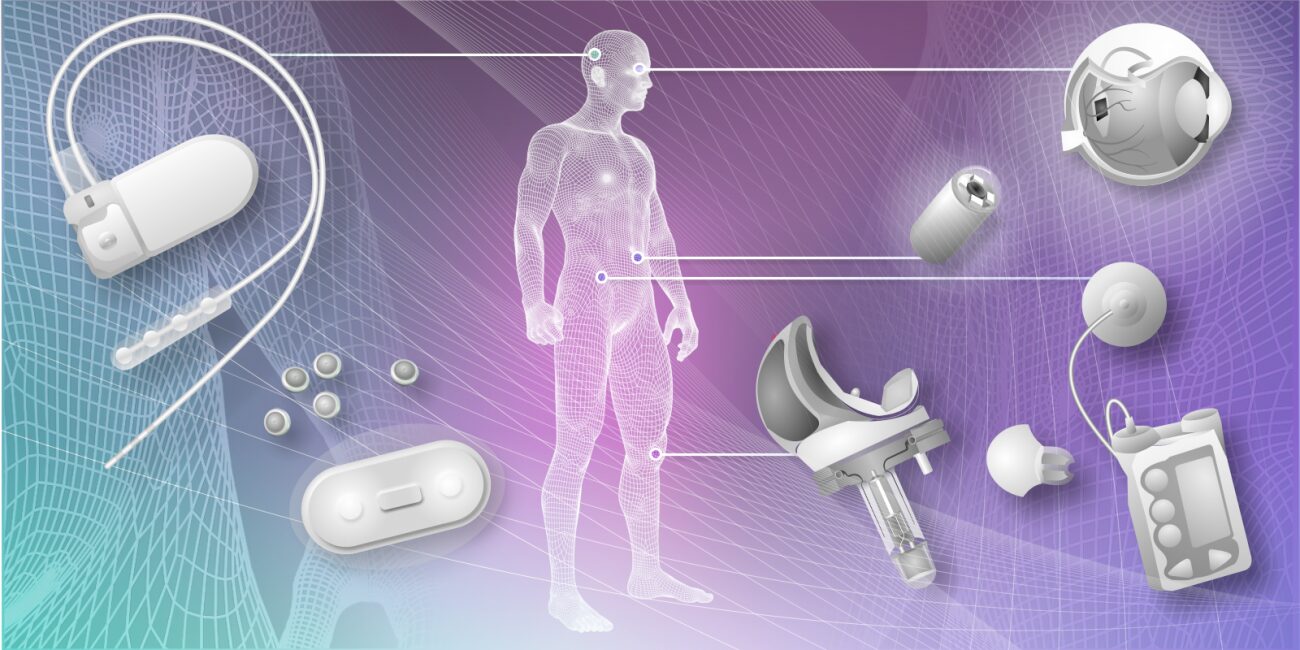
Technology isn’t just changing our phones and cars—it’s quietly transforming our bodies too. For millions living with chronic diseases like diabetes, Parkinson’s, or heart failure, a new era of hope is arriving through smart implants—tiny devices designed to monitor, support, or even replace bodily functions. These high-tech helpers are reshaping what it means to live…
-

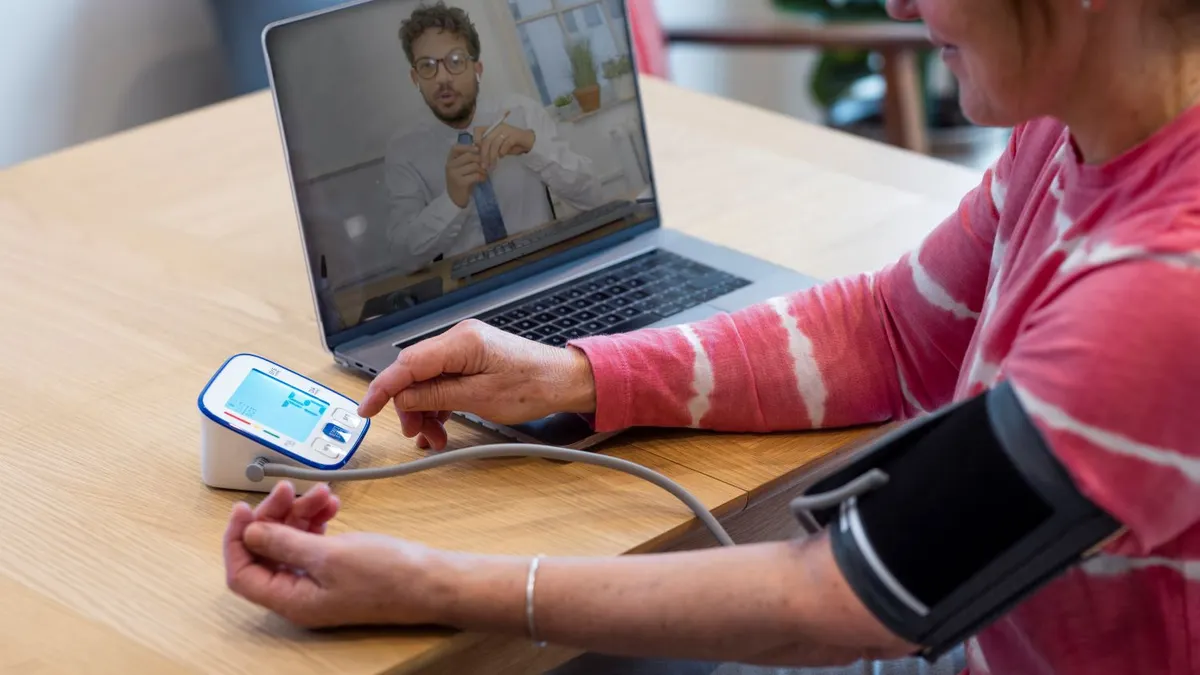
Not long ago, checking on a patient meant a physical visit to a clinic or hospital. Today, that’s changing — fast. Thanks to Remote Patient Monitoring (RPM), doctors can now track vital signs, symptoms, and recovery progress without patients ever leaving home. This shift isn’t just convenient. It’s transforming healthcare. And if you’re wondering how…