-

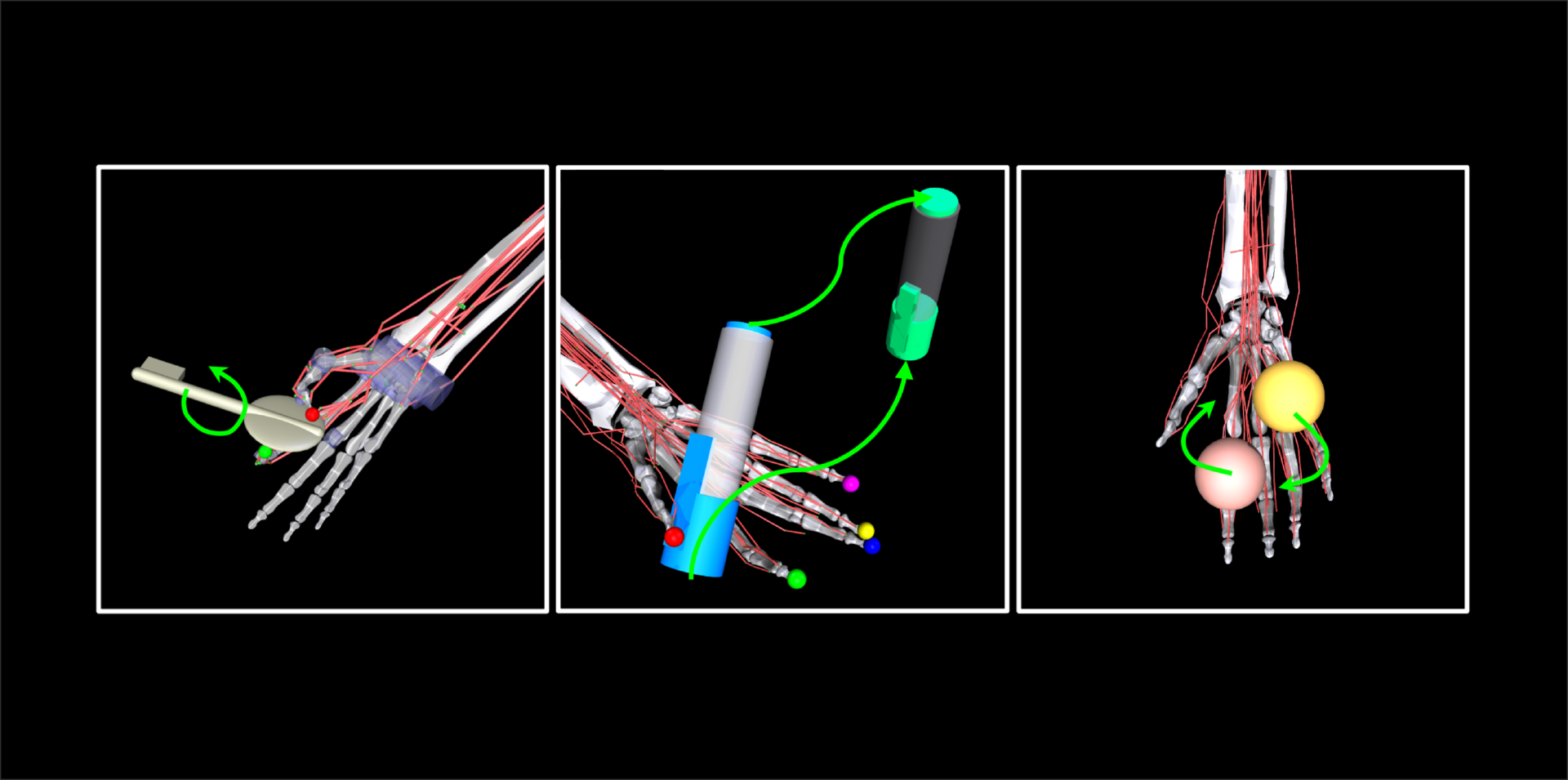
Technology is increasingly helping doctors and researchers understand the human body in ways that were impossible just a few years ago. From robotic surgery to AI-powered diagnostics, innovation is opening new frontiers in healthcare. One of the most fascinating developments comes from the intersection of artificial intelligence and biomechanics: a digital platform called MyoSuite. Musumeci…
-

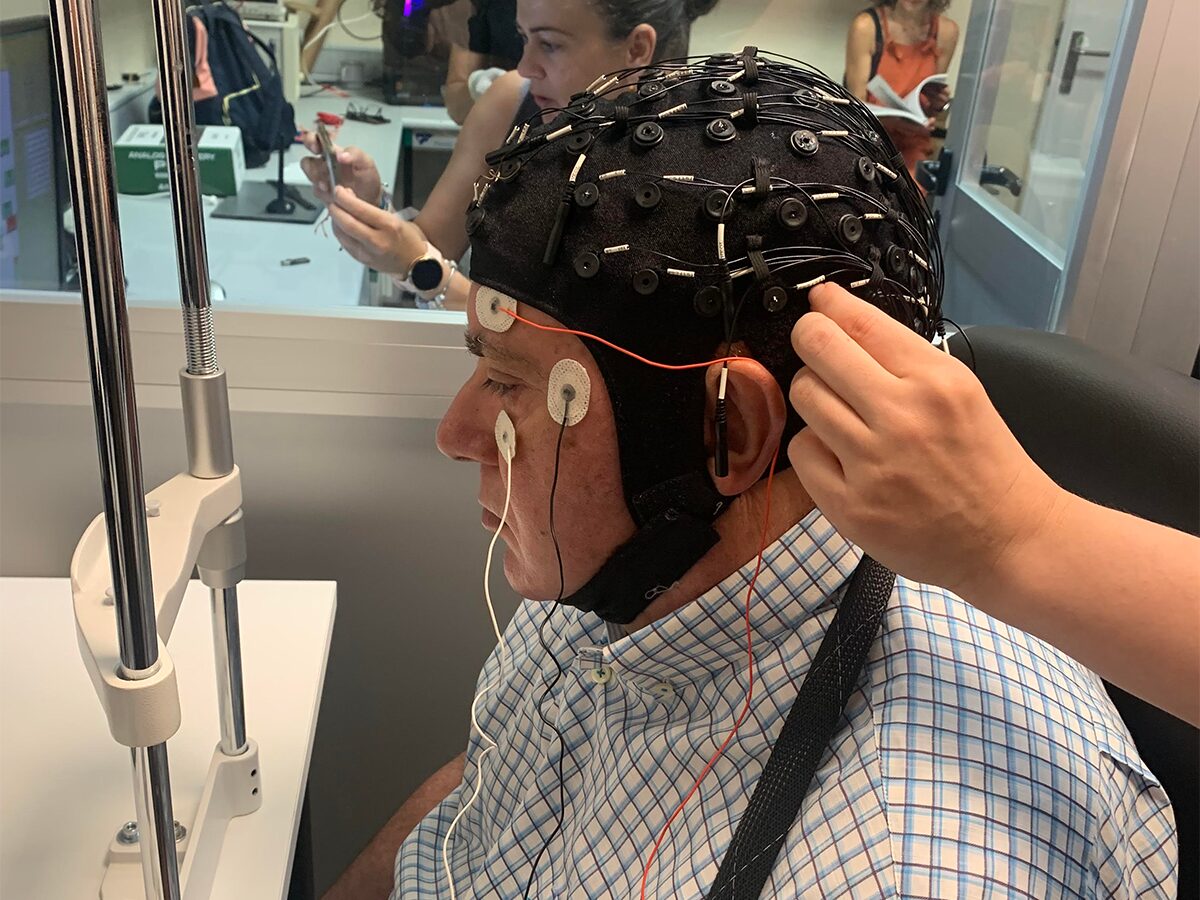
What used to be pure science fiction — computers talking to the human brain — is now one of the most exciting frontiers in medicine. In the last few years, scientists and engineers have achieved progress that just a decade ago would have seemed impossible: restoring part of a person’s sight through advanced implants and…
-

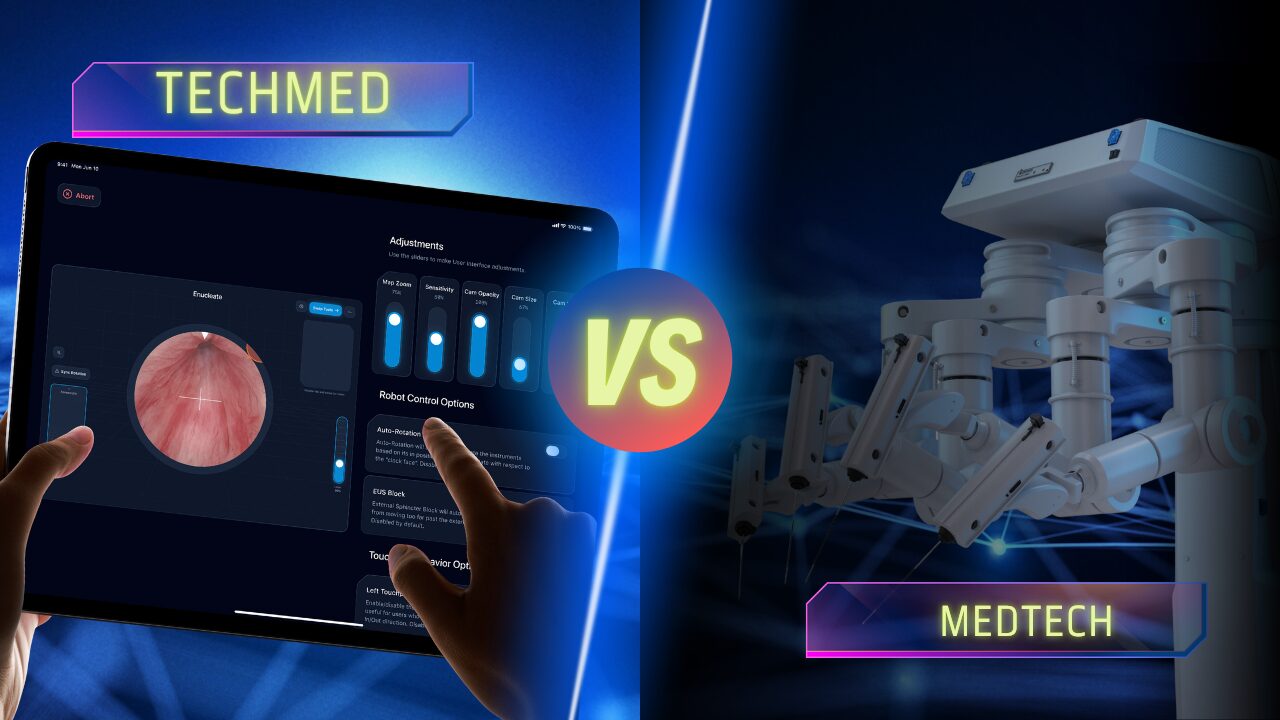
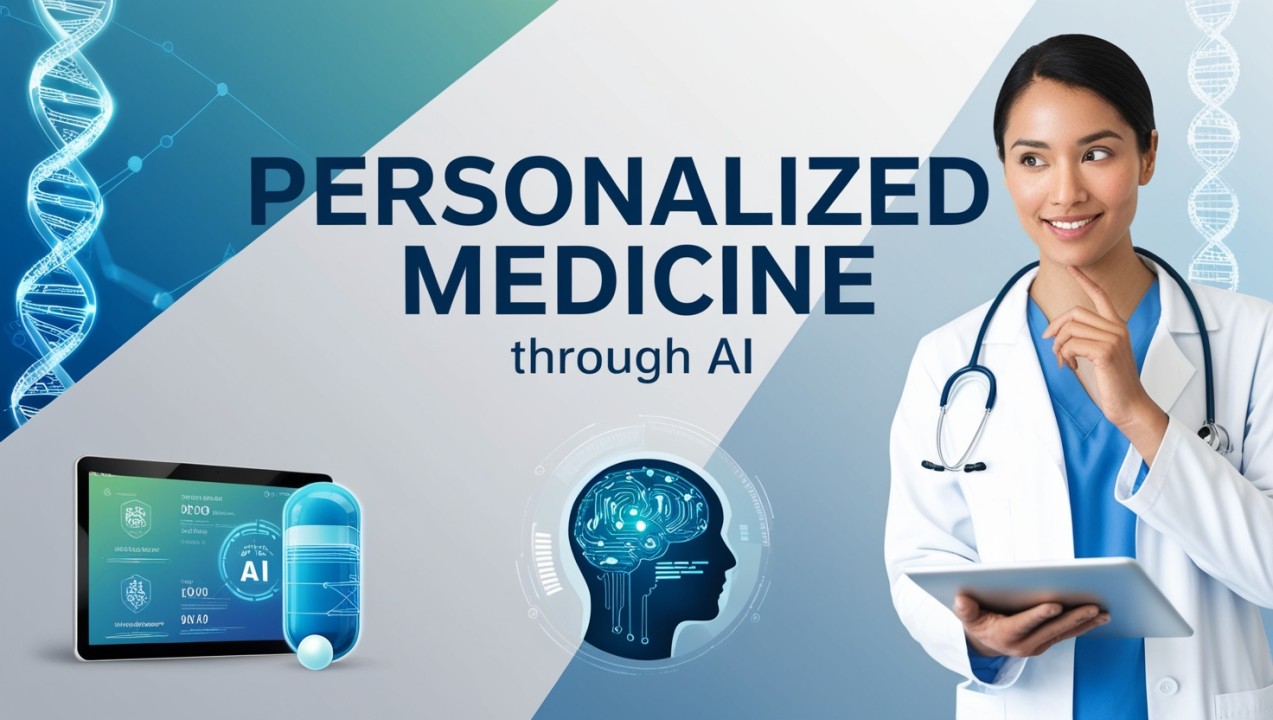
Not long ago, medicine advanced mainly through new drugs, better hospitals, and more specialized doctors. Today, something different is happening. Technology is no longer just supporting healthcare from the outside — it is becoming part of how health itself is understood, delivered, and improved. This new frontier is often described using two terms that sound…
-

A quiet revolution is happening in healthcare — not inside hospitals, but inside our phones. For years, people have used technology to count steps, track sleep, and Google strange symptoms at midnight. Now something more ambitious is emerging. OpenAI has introduced ChatGPT Health, a new experience inside ChatGPT designed to bring together medical records, wellness…
-

Not long ago, managing your health meant juggling doctor visits, paper reports, and advice that often felt generic. Today, something very different is beginning to take shape: artificial intelligence tools that can look at your health data and help you make sense of it in everyday language. Musumeci Online – The Podcast. It is perfect for driving,…
-
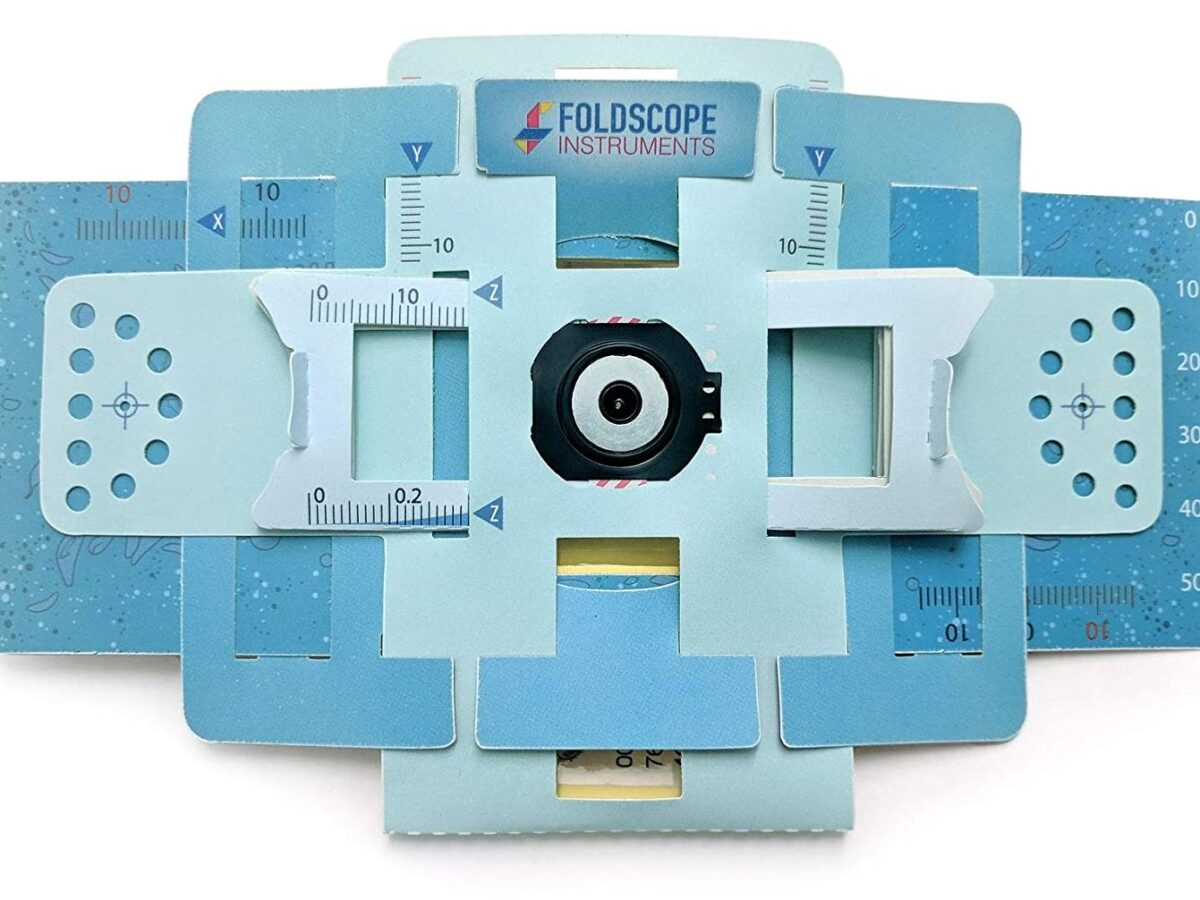
Sometimes, the most powerful ideas don’t arrive wrapped in complexity. They arrive folded. In a world fascinated by artificial intelligence, robotic surgery, and brain-computer interfaces, it may sound surprising that one of the most meaningful innovations in modern medicine is made largely of paper. Yet Foldscope — often called the paper microscope — reminds us…
-

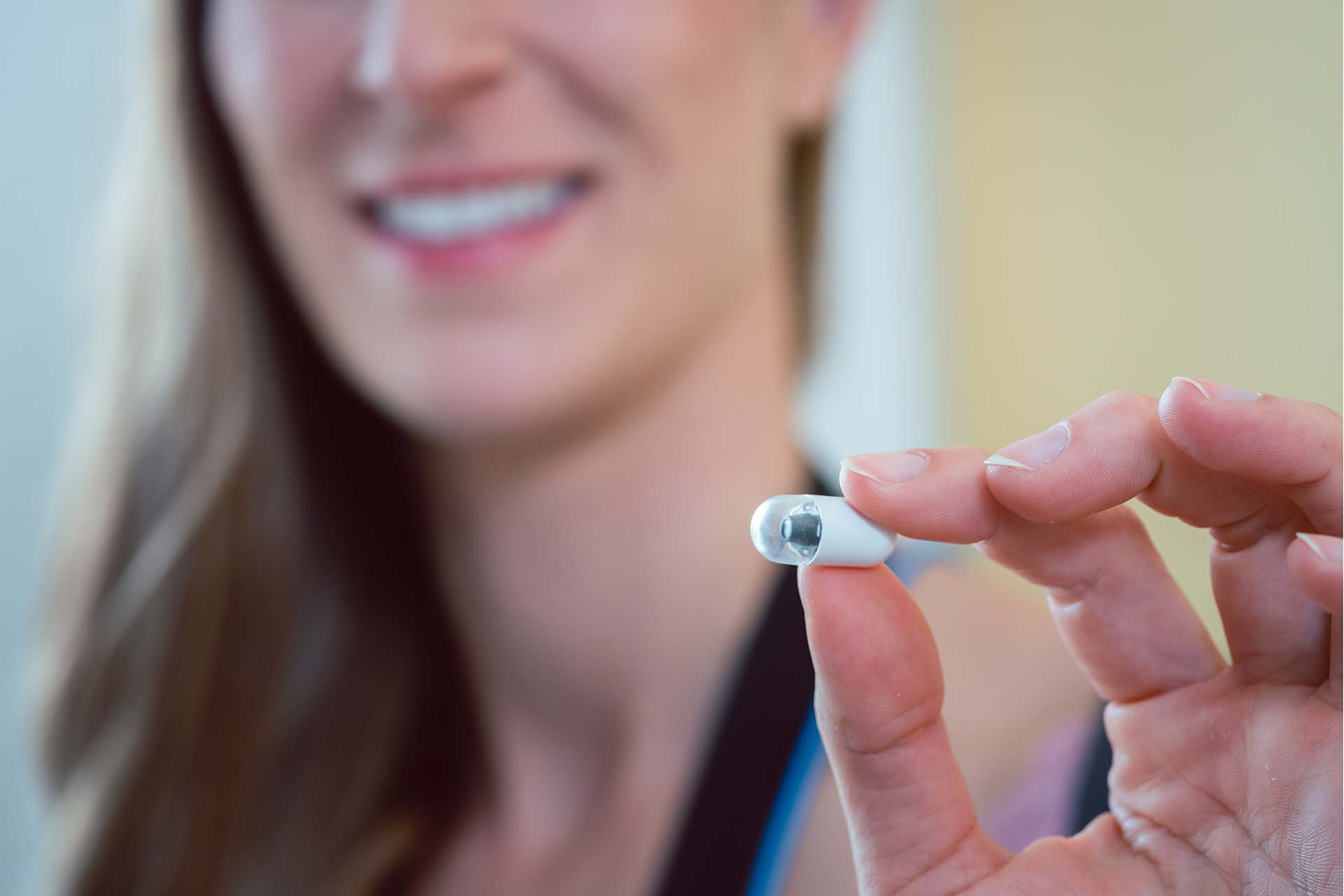
Imagine diagnosing stomach pain or hidden intestinal bleeding without tubes or anesthesia — just by swallowing a tiny, camera-equipped capsule the size of a large vitamin pill. That idea, once futuristic, has become a powerful reality in modern medicine. Video capsule endoscopy (VCE) is reshaping how doctors see inside the digestive system and opening doors…
-

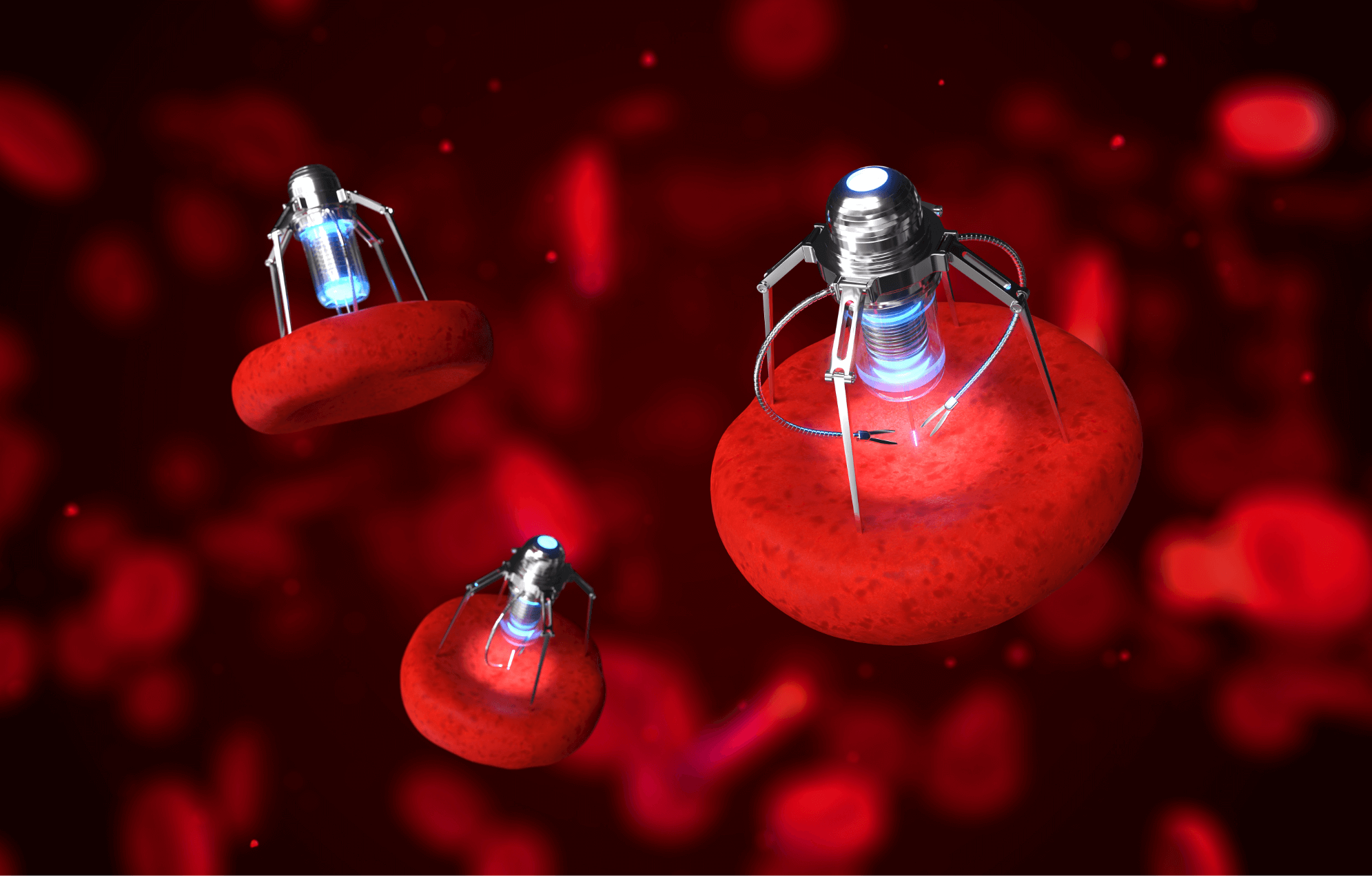
What if tiny machines and super-charged immune cells could team up to beat cancer in ways we once thought impossible? In recent years, a wave of innovation — from robot-assisted labs to smart immune cell therapies — is reshaping how we treat and understand serious diseases like cancer. Today’s medical technology blends biology with engineering,…
-

This year, health technology in China is entering a rapid-change phase — a transformation shaped not only by new laws and government policies, but by the growing appetite for cutting-edge medical devices. As the global medical community eyes these shifts, this story might define where the next big breakthroughs in medtech come from. In 2024,…
-

Some breakthroughs don’t require new organs — they just need smarter guidance. In November 2025, Philips unveiled DeviceGuide, an artificial-intelligence tool that helps cardiologists perform mitral valve repairs with unprecedented precision and clarity. What once depended on surgeons interpreting multiple 2D images is now supported by a real-time 3D “map” of the heart and repair…