-

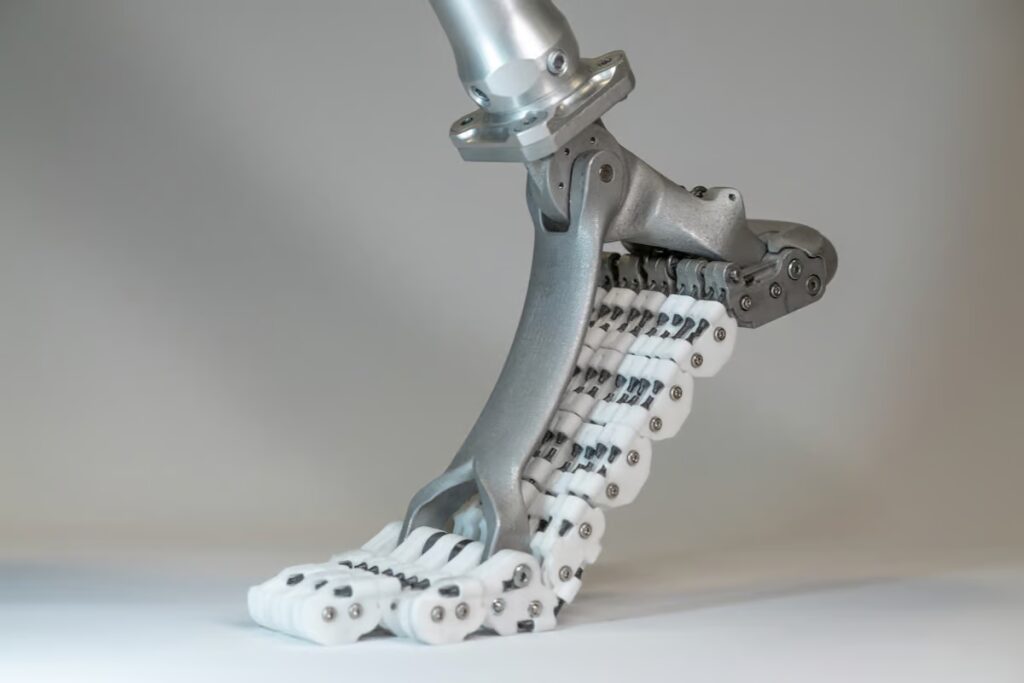
For many years, the idea of a “high-tech prosthetic foot” has been closely linked to complexity. We imagine motors, batteries, sensors, and artificial intelligence constantly adjusting every movement in real time. In this vision, progress means adding more technology. But SoftFoot Pro, developed in Italy and tested in competitive environments like CYBATHLON, challenges this assumption…
-

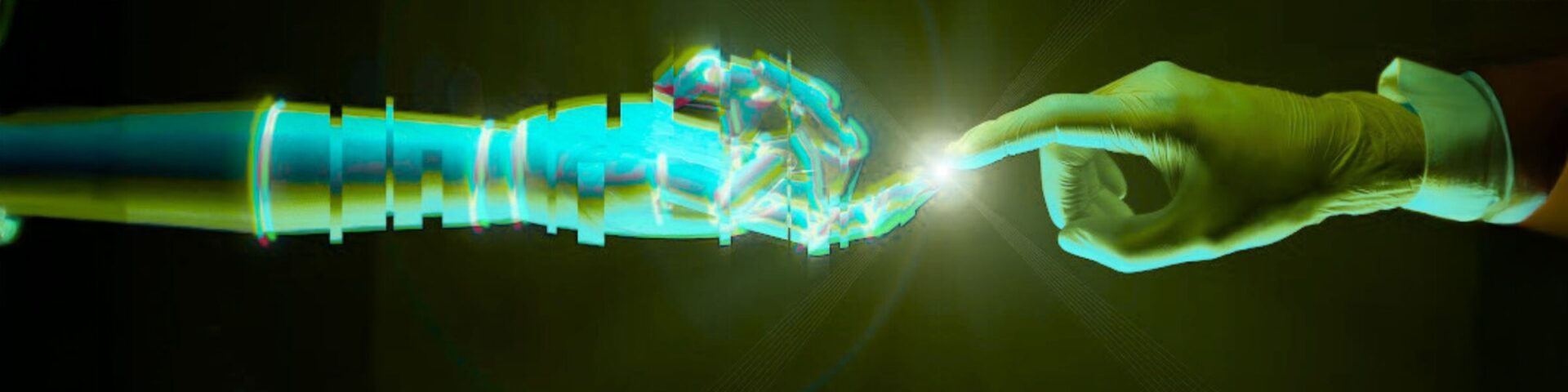
For decades, the idea of controlling a machine with nothing but your thoughts belonged to science fiction novels and futuristic movies. Yet in 2026, a major milestone brought that vision one step closer to everyday medical reality. China has become the first country in the world to approve the commercial use of an invasive brain-computer…
-

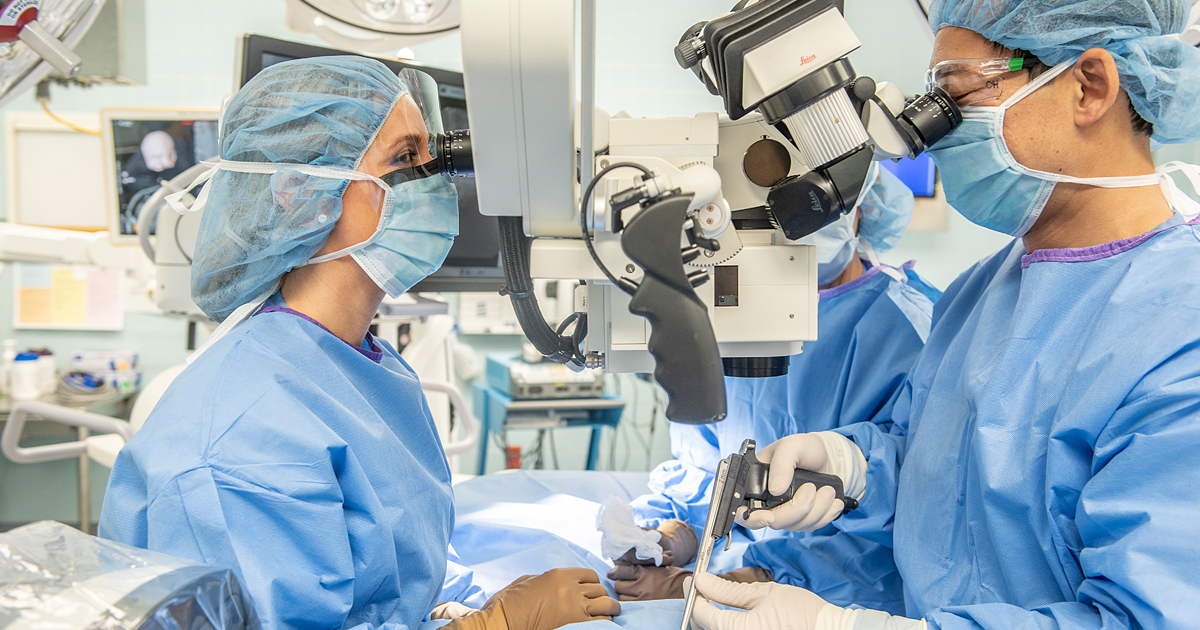
A surgeon may spend more than a decade studying, training, working night shifts and learning how to perform procedures where a few millimeters can make the difference between life and death. Yet not all surgeons earn the same salary. In fact, the gap between different surgical specialties can be enormous. A neurosurgeon in the United…
-

For decades, robotic surgery has been built on a paradox. On one hand, it offers superhuman precision—steady movements, microscopic accuracy, and the ability to operate through tiny incisions. On the other, it removes something deeply human from the surgical experience: the sense of touch. Now, that missing sense is coming back. A new generation of…
-

Neurosurgery sits at one of the most fascinating frontiers of medicine. It deals with the brain, spinal cord, and nerves — the delicate network that allows you to speak, remember your childhood, recognize your mother’s face, or move your hand to pick up a coffee cup. In simple terms: a neurosurgeon works on the system…
-

For the past decade, innovation in healthcare AI has been largely defined by one idea: better predictions. More accurate diagnostics.Faster image analysis.Smarter risk stratification. From radiology to oncology, machine learning has proven its value by augmenting human decision-making. But a new paradigm is quietly emerging—one that could redefine not just how healthcare decisions are made,…
-

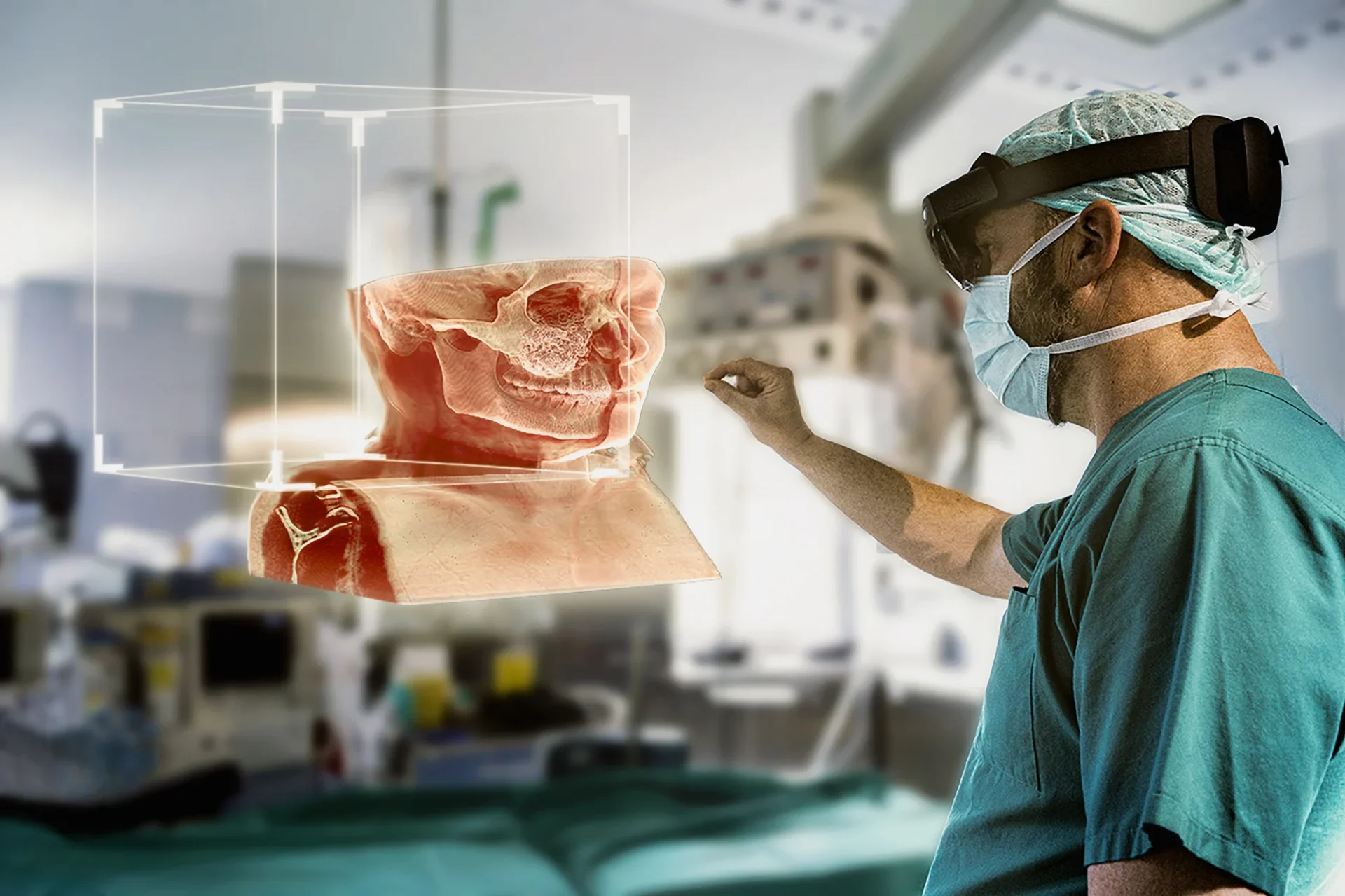
A new wave of medical innovation is quietly reshaping how doctors see the human body—and it looks almost like science fiction. Instead of relying only on flat images on a screen, some physicians can now explore organs, tumors, and blood vessels as three-dimensional holograms floating in front of them. At the center of this transformation…
-

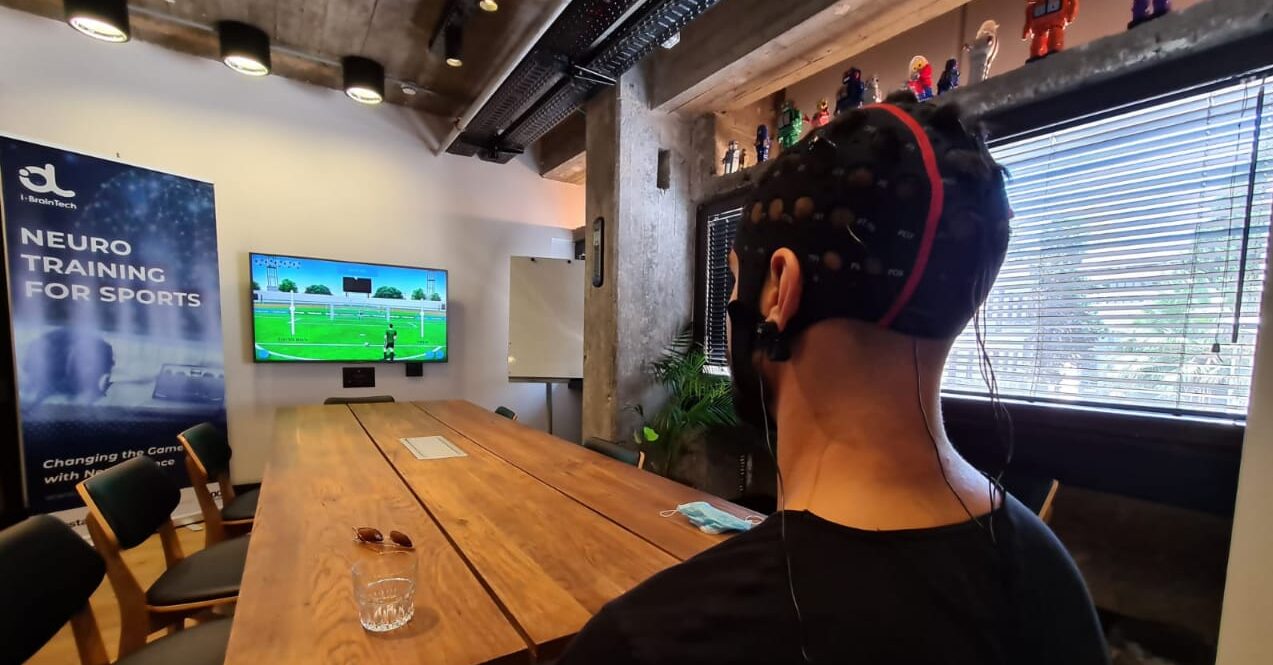
What if improving your physical performance didn’t always require physical effort? A growing field of neurotechnology suggests exactly that. And one of the most fascinating examples comes from i-BrainTech, a company exploring how artificial intelligence and brain science can turn mental practice into measurable results in the real world. At first glance, the idea feels…
-
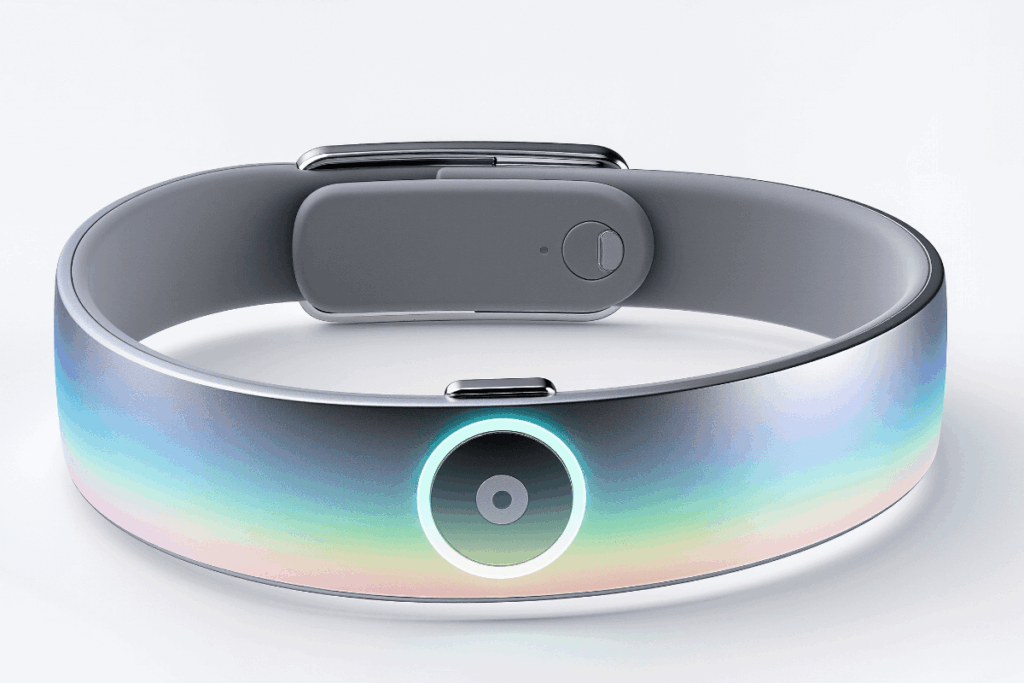
Not long ago, losing the ability to speak meant losing one of the most essential parts of human connection. Today, that reality is starting to change. Researchers have developed what is now called a “wearable intelligent throat”—a soft, lightweight device that sits around the neck and can transform silent movements into natural, fluent speech. It…
-

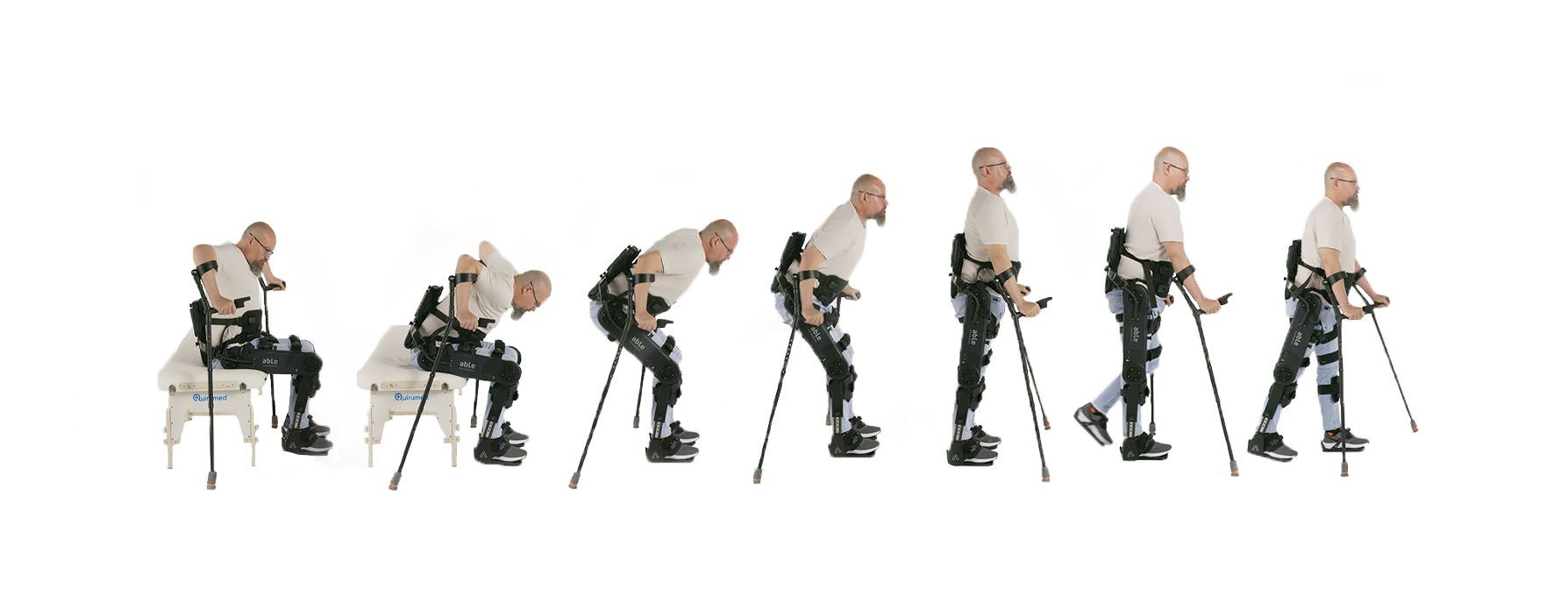
Walking is something most people rarely think about. Yet behind every step lies a complex choreography between the brain, nerves, muscles, and joints. When that delicate system is disrupted by a spinal cord injury, stroke, or neurological disease, something as simple as standing up can become an enormous challenge. In recent years, however, a new…