-

Not long ago, the idea of a surgeon guiding a critical operation from thousands of kilometers away sounded like science fiction. Today, Zerintia HealthTech, a Spanish digital-health startup, is making it a reality. Their platform, 4RemoteHealth, uses 5G connectivity and augmented reality (AR) to unite medical professionals across operating rooms, ICUs, ambulances, and even patients’…
-

In our fast-paced digital age, finding a moment of calm can feel like chasing the last ray of sunlight in a storm. Nearly every device buzzes, pings or displays something new — and our brains struggle to keep quiet. Yet, health-tech researchers are now combining two unlikely allies — sound therapy and artificial intelligence (AI)…
-

Not every revolution arrives with fireworks. Some arrive as lines of code quietly reshaping how doctors see, plan, and heal. That’s the story of Brainlab Elements, a suite of intelligent medical tools transforming the way surgeons and radiologists interact with the human body—one pixel, one neuron, and one patient at a time. In a world…
-

Brain surgery has always stood as one of medicine’s greatest frontiers — a territory where millimeters matter and uncertainty can change everything. For decades, neurosurgeons have operated with the precision of artists and the courage of astronauts, navigating the most complex organ in the human body. But something extraordinary is happening. Across hospitals and research…
-

Walk into a metro station in Shanghai, and you might find something unexpected — a sleek, glass booth where people stop not for tickets, but for a quick health check. In just eight minutes, these digital medical kiosks can measure your blood pressure, check your oxygen levels, connect you to a doctor through video, and…
-

In today’s fast-evolving world of healthcare, one thing is becoming increasingly clear: data is everywhere, but making sense of it quickly and accurately is still a huge challenge. That’s where artificial intelligence comes in—and Google has just taken a massive step forward. Musumeci Online – The Podcast. It is perfect for driving, commuting, or waiting in line!…
-

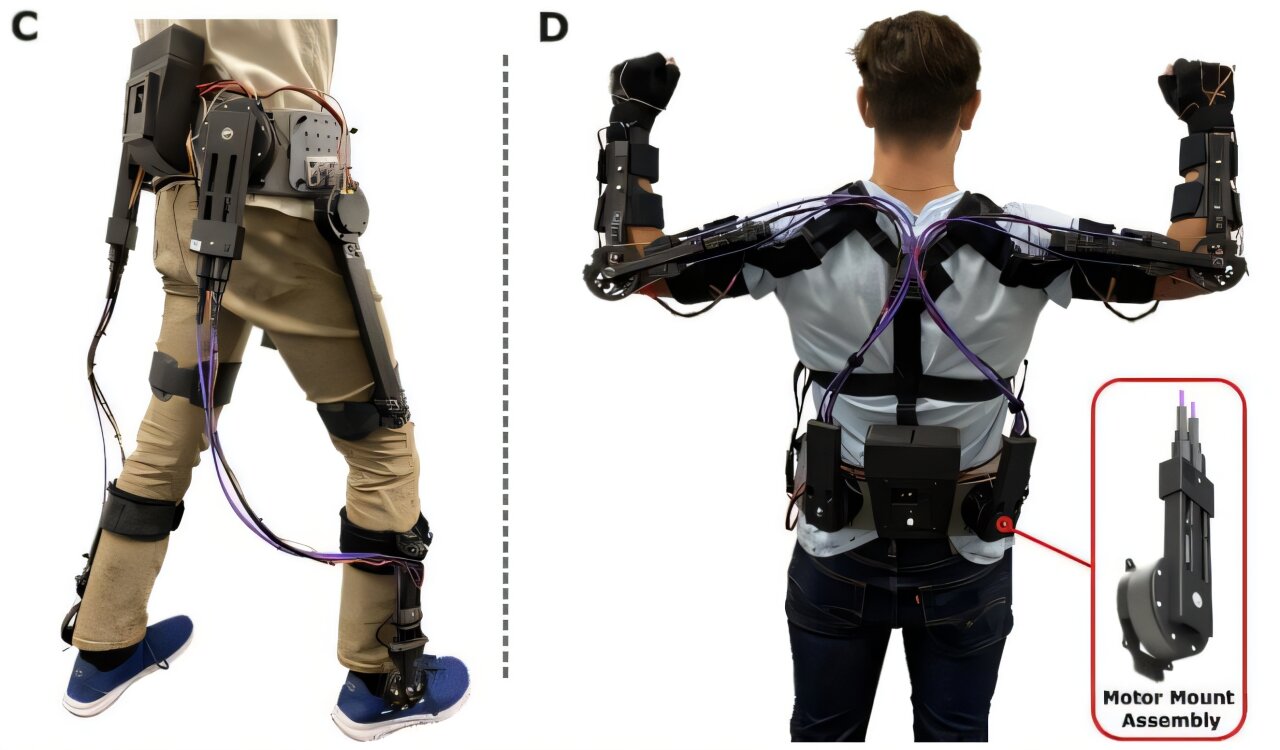
Not long ago, robotic exoskeletons felt like science fiction—something you’d see in superhero films or futuristic labs. But today, thanks to OpenExo, this vision is moving into the real world. OpenExo is an open-source, modular exoskeleton system that’s making it easier than ever for researchers, engineers, clinicians, and even curious innovators to create wearable robotic…
-

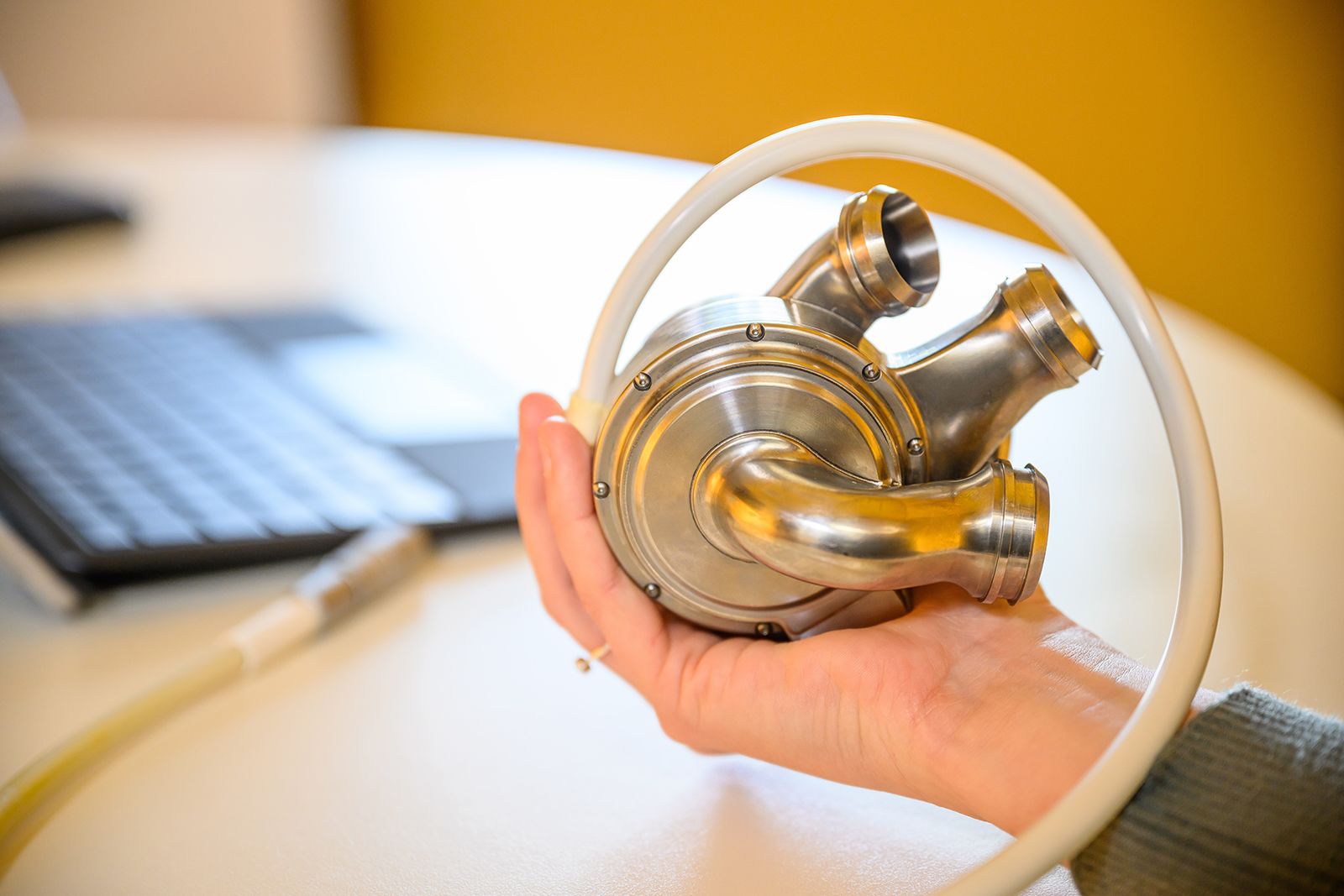
In a medical first that could redefine the future of heart failure treatment, BiVACOR—a U.S.-based medical technology company—has implanted its Total Artificial Heart (TAH) into a human patient for the very first time. This historic procedure was carried out at the Texas Heart Institute in Houston, one of the world’s leading centers for cardiovascular innovation.…
-
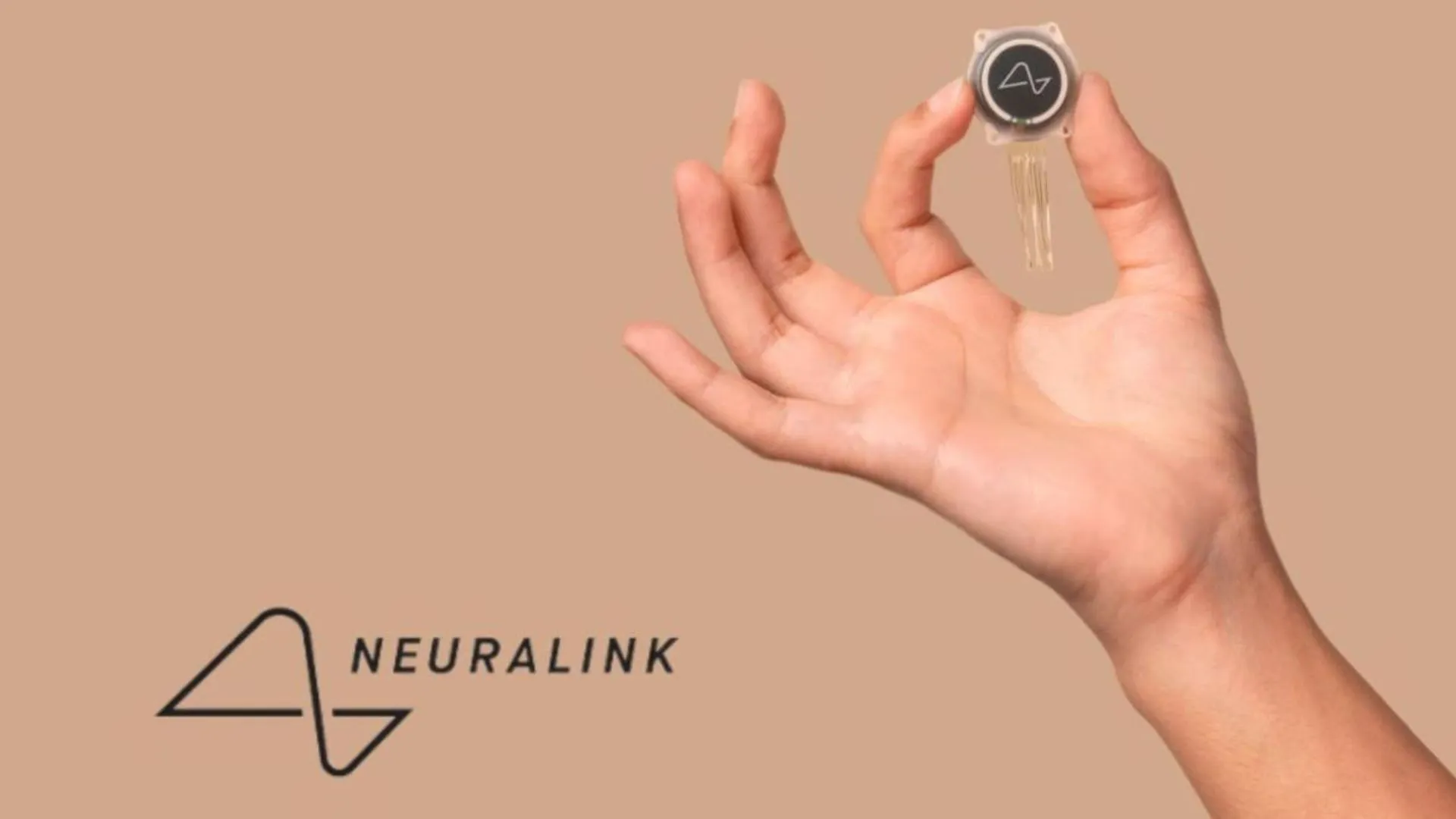
Scientists are now turning what once felt like sci‑fi into reality: restoring vision for people born blind or who have lost sight. Neuralink, founded in 2016 by Elon Musk, is preparing to conduct its first human implants designed to restore visual perception within the next six to twelve months. This device is called Blindsight, an…
-

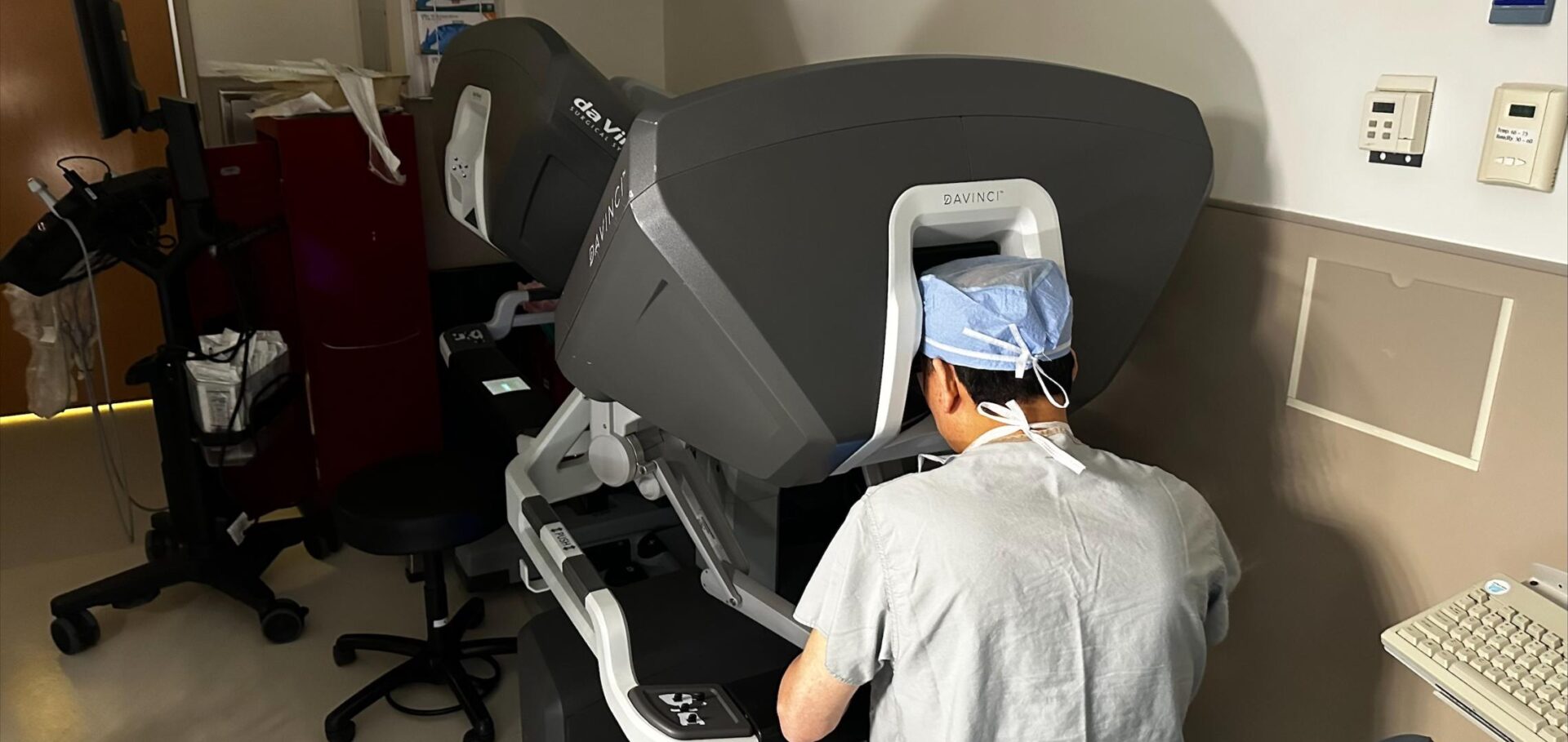
What once sounded like science fiction is now becoming standard in operating rooms. In March 2025, a team of surgeons at Baylor St. Luke’s Medical Center in Houston performed the first fully robotic heart transplant in the United States—a moment that marks a powerful turning point in modern medicine. Using robotic arms instead of traditional…