Category: Smart Implants
-

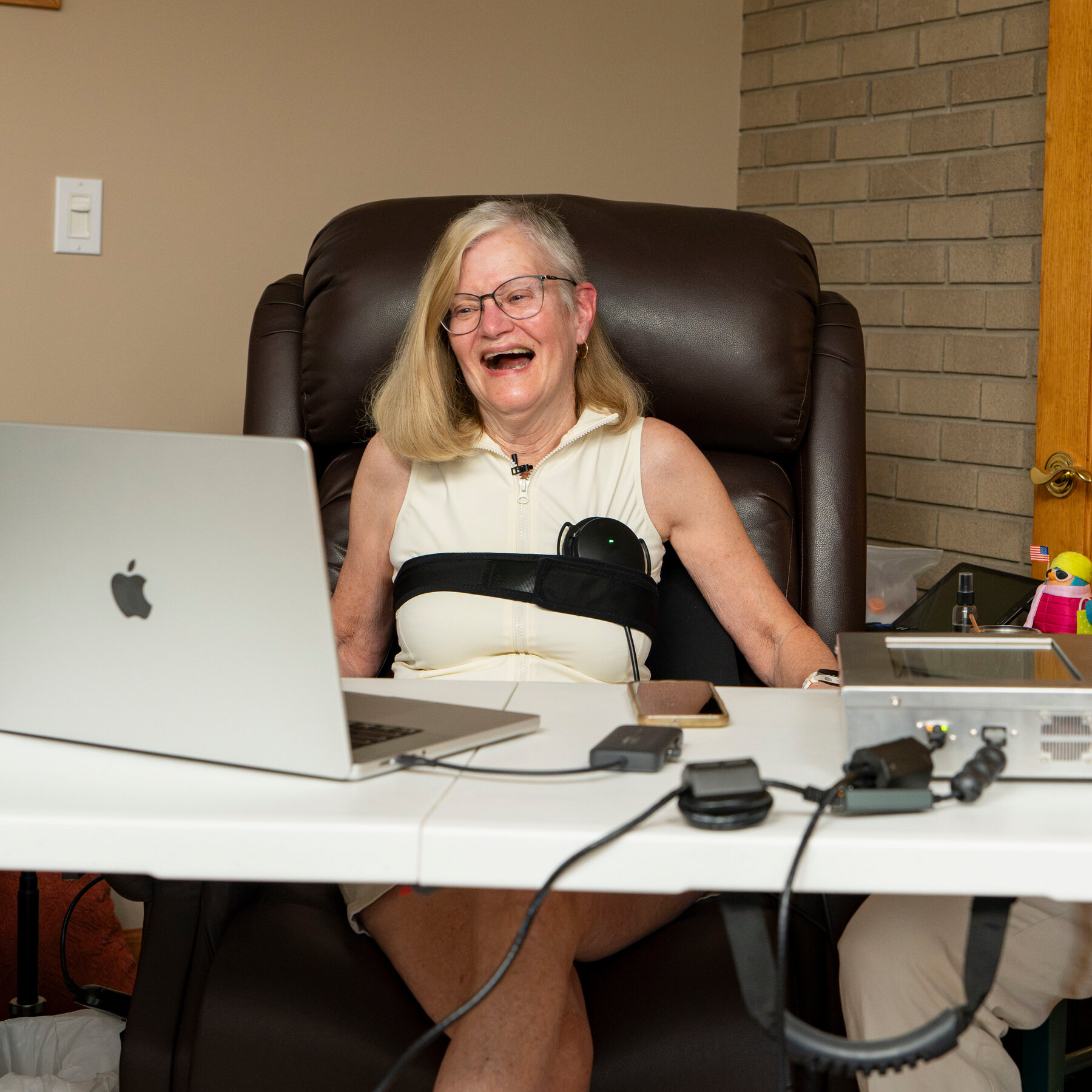
Paradromics’ Connexus brain-computer interface has achieved something that sounds almost impossible: a person with severe speech impairment has used neural activity to generate her own words, answer open-ended questions and have a real-time conversation with her family. But the most interesting part is not simply that a computer can “read” brain activity. The real breakthrough…
-

For decades, the idea of controlling a machine with nothing but your thoughts belonged to science fiction novels and futuristic movies. Yet in 2026, a major milestone brought that vision one step closer to everyday medical reality. China has become the first country in the world to approve the commercial use of an invasive brain-computer…
-

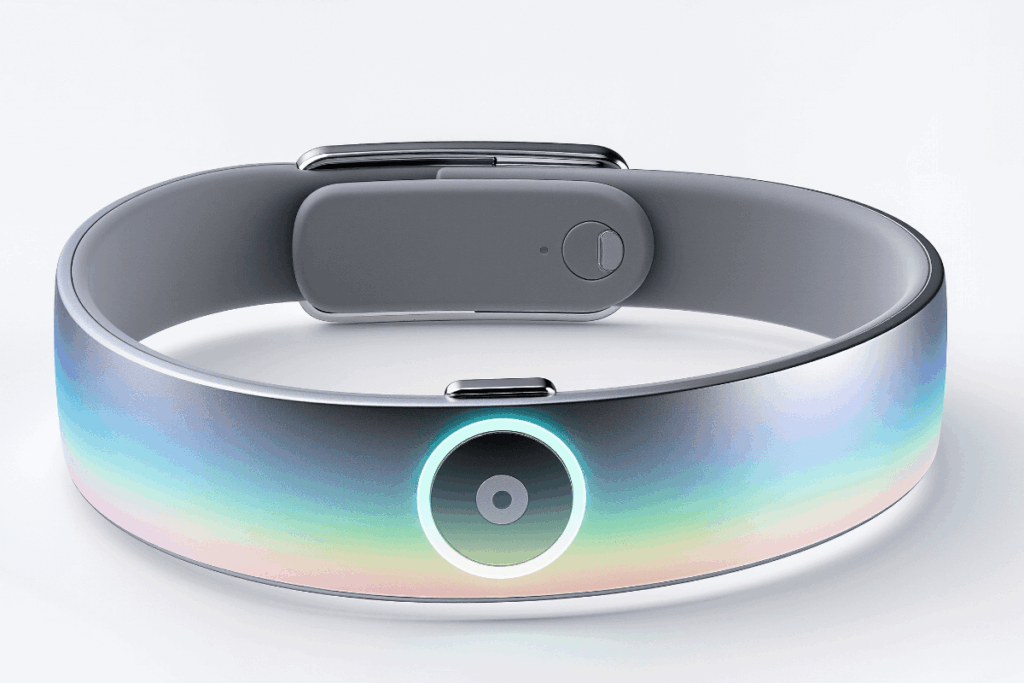
Not long ago, losing the ability to speak meant losing one of the most essential parts of human connection. Today, that reality is starting to change. Researchers have developed what is now called a “wearable intelligent throat”—a soft, lightweight device that sits around the neck and can transform silent movements into natural, fluent speech. It…
-

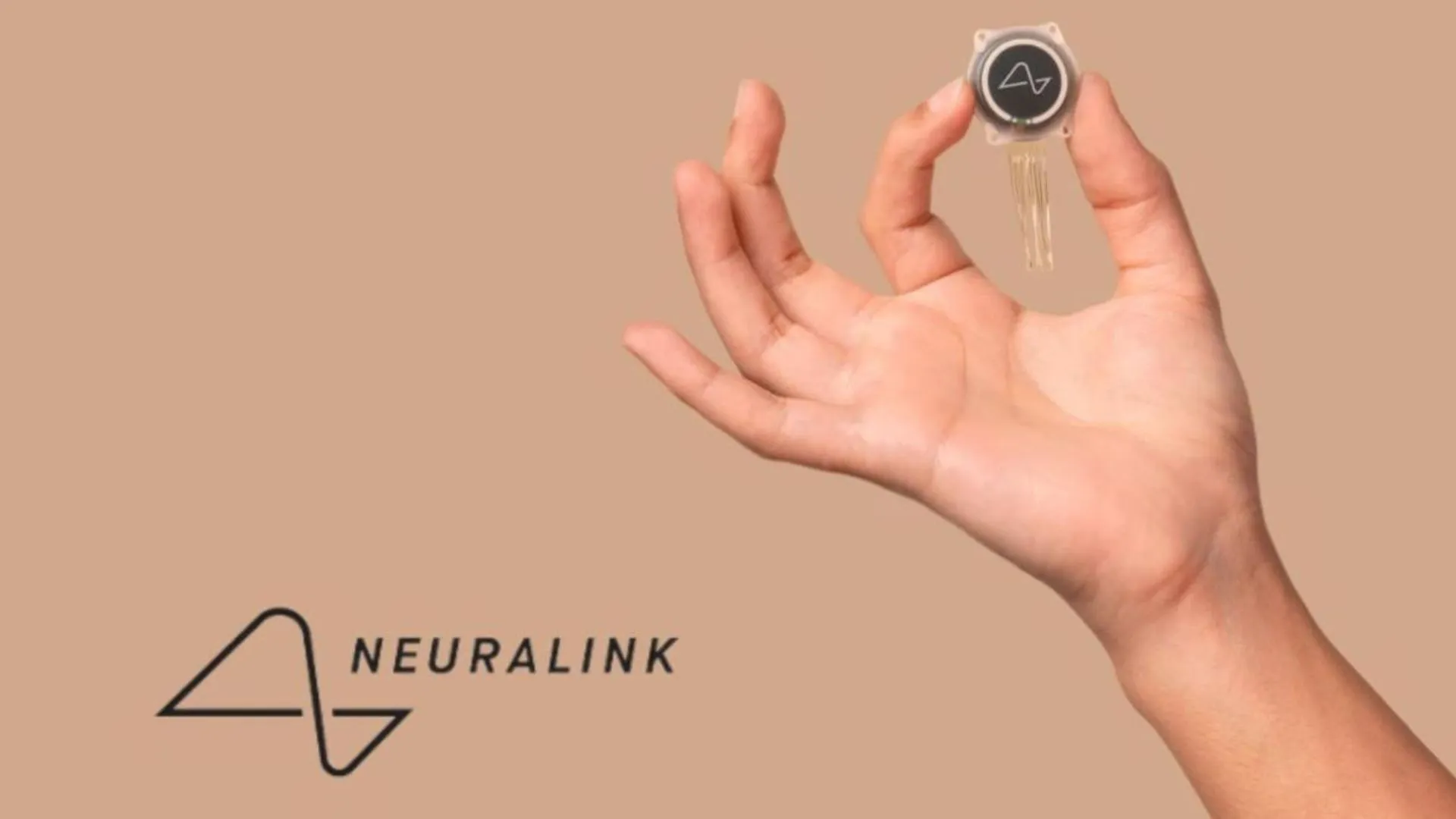
Scientists are now turning what once felt like sci‑fi into reality: restoring vision for people born blind or who have lost sight. Neuralink, founded in 2016 by Elon Musk, is preparing to conduct its first human implants designed to restore visual perception within the next six to twelve months. This device is called Blindsight, an…
-

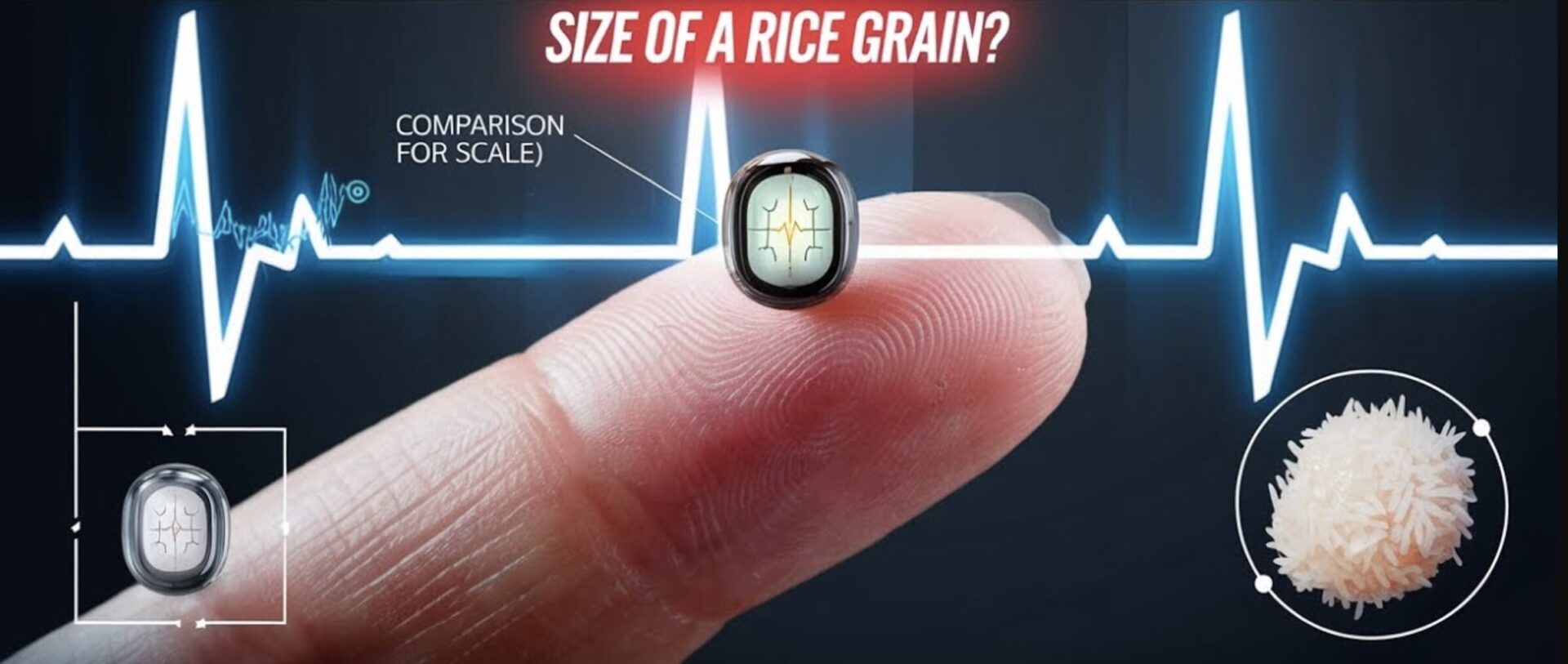
Most people think of a pacemaker as a small box tucked under the skin, with wires snaking through blood vessels to the heart. But researchers at Northwestern University have invented something entirely different: a pacemaker smaller than a grain of rice—about 1.8 mm wide, 3.5 mm long, and only 1 mm thick—that can be injected…
-

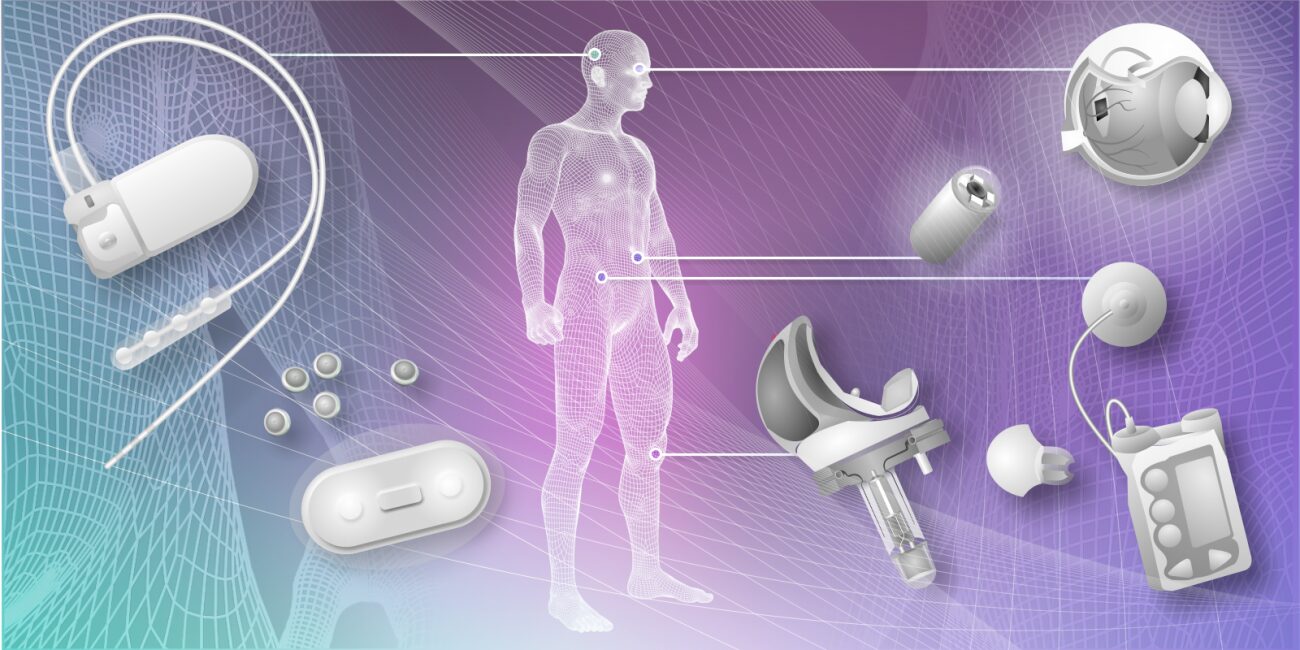
Technology isn’t just changing our phones and cars—it’s quietly transforming our bodies too. For millions living with chronic diseases like diabetes, Parkinson’s, or heart failure, a new era of hope is arriving through smart implants—tiny devices designed to monitor, support, or even replace bodily functions. These high-tech helpers are reshaping what it means to live…
-
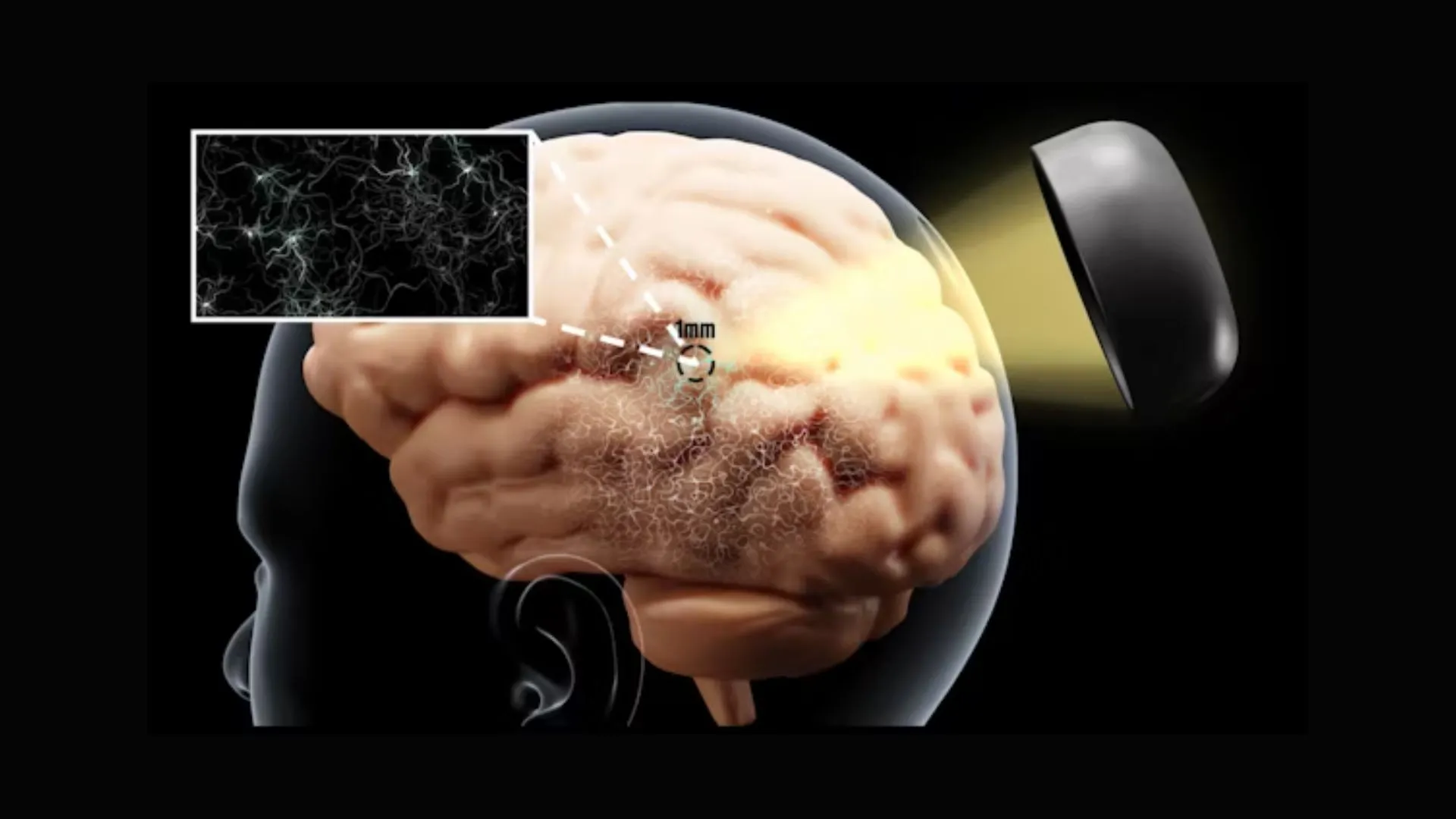
Picture a world where doctors can adjust brain activity without surgery—using nothing but sound waves. Thanks to groundbreaking research led by Dr. Hong Chen at Washington University, this futuristic idea is inching closer to reality. Her team’s innovation, called Airy-beam holographic sonogenetics, uses ultrasound to target specific neurons in the brain—no implants or scalpels required. Think…
-
For decades, doctors have used electrical pulses to help people with Parkinson’s disease manage symptoms like tremors, stiffness, and slow movements. This technique, known as deep brain stimulation (DBS), has been life-changing for some patients, but for others, it hasn’t worked as well or has caused unwanted side effects. Musumeci Online – The Podcast. It is perfect…
-

Imagine a future where your brain and digital devices can talk directly to each other—a connection that might one day help restore movement or communication to those who need it most. Musumeci Online – The Podcast. It is perfect for driving, commuting, or waiting in line! Neuralink, the neurotechnology company founded by Elon Musk in 2016, has…
-

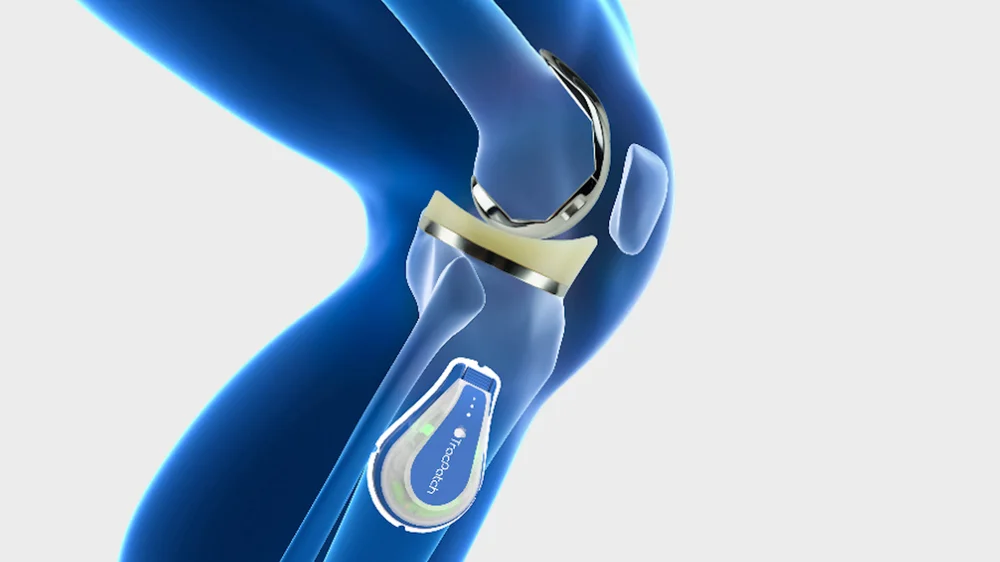
One of the most exciting breakthroughs in healthcare is the development of smart implants—tiny devices that work inside your body to monitor, diagnose, and even treat orthopedic issues using artificial intelligence (AI). Musumeci Online – The Podcast. It is perfect for driving, commuting, or waiting in line! In the fast-evolving world of healthcare, technology is reshaping the…