
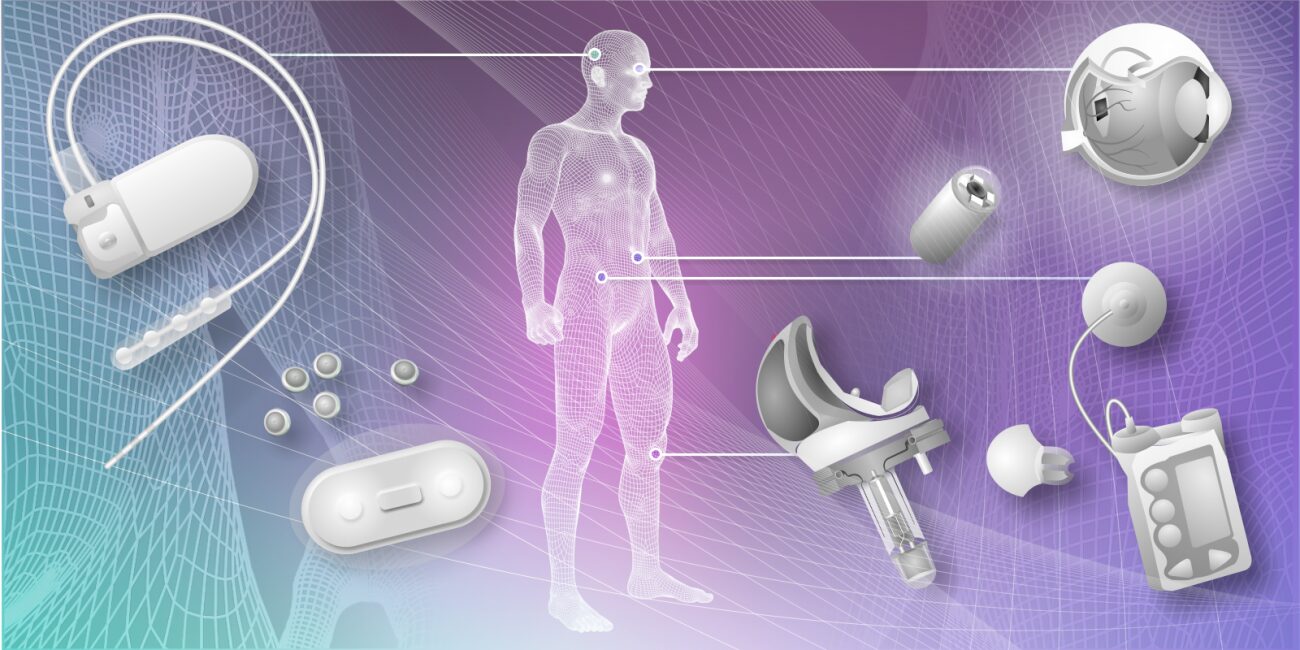
Technology isn’t just changing our phones and cars—it’s quietly transforming our bodies too. For millions living with chronic diseases like diabetes, Parkinson’s, or heart failure, a new era of hope is arriving through smart implants—tiny devices designed to monitor, support, or even replace bodily functions.
These high-tech helpers are reshaping what it means to live with a chronic illness. Here are five of the most exciting smart implants leading the charge in 2025—and how they’re already making a real difference.
Musumeci Online – The Podcast. It is perfect for driving, commuting, or waiting in line!
These smart implants represent more than gadgets—they’re symbols of a larger shift in medicine: from reactive to proactive, from hospital-based to patient-empowered care.
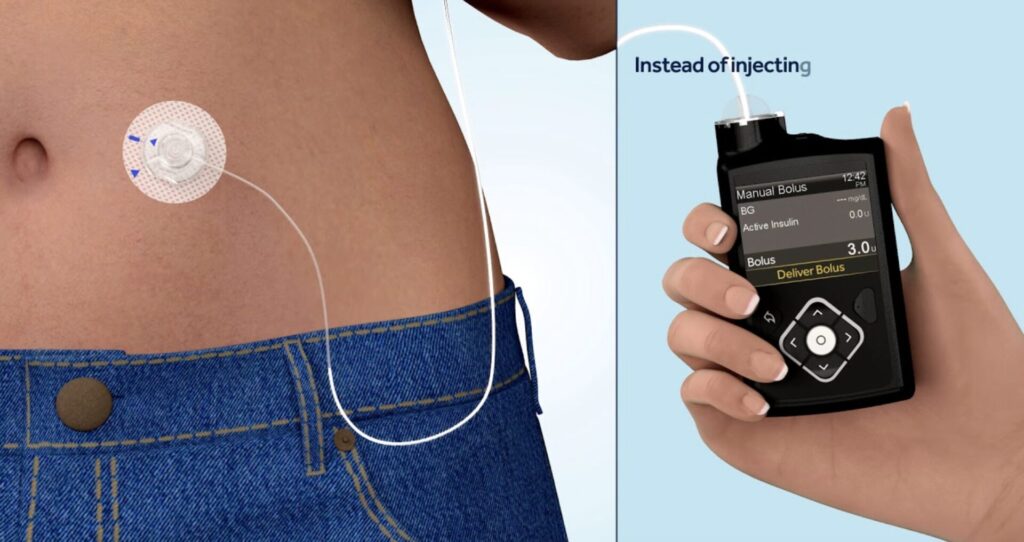
1. Smart Insulin Pumps: A Revolution for Diabetes Care
Living with diabetes means constant attention to blood sugar levels. It can feel like having a second job—checking, calculating, injecting. But smart insulin pumps are changing that.
These tiny implants monitor your glucose in real time and automatically adjust insulin delivery—like having a personal nurse working 24/7. One of the latest models uses machine learning to “learn” how your body reacts after meals, stress, or exercise, and adapts accordingly.
💡 Think of it as a GPS for your insulin—it adjusts your route before you even realize you’re off track.
2. Neurostimulators for Parkinson’s Disease: Calming the Storm
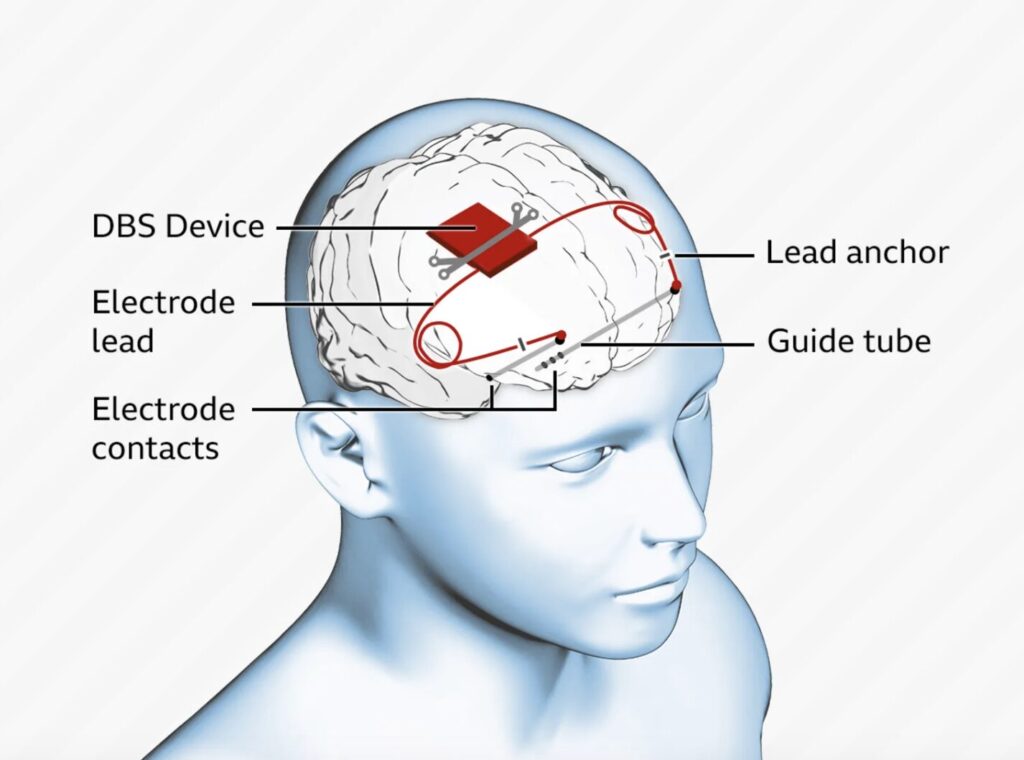
Parkinson’s disease causes tremors and stiffness due to misfiring signals in the brain. Deep brain stimulation (DBS) implants act like a pacemaker for the brain, delivering gentle electrical pulses to help control symptoms.
What’s new in 2025? Smart neurostimulators that automatically adjust stimulation levels based on your activity. Whether you’re relaxing or walking, the implant adapts in real-time—without the need for manual settings.
📘 If you’ve read “The Body Keeps the Score,” think of this as the brain’s new rhythm keeper, restoring balance from within.

3. Cardiac Monitoring Implants: Your Heart’s Silent Guardian
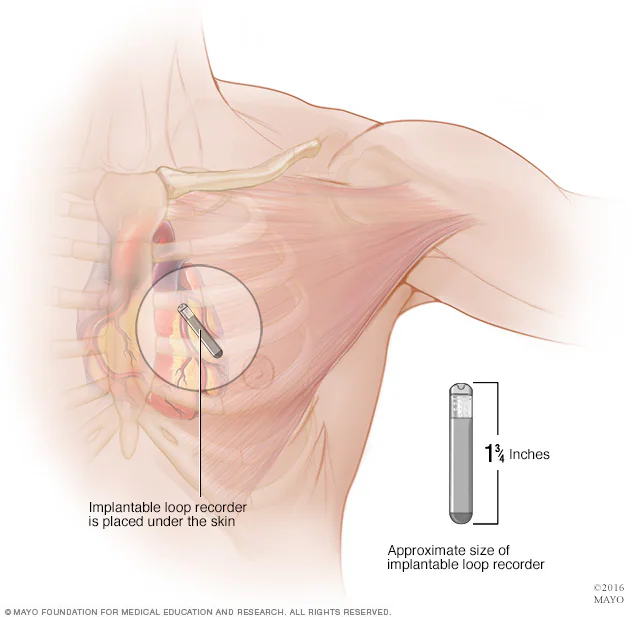
Heart failure doesn’t always give warnings. But miniature cardiac sensors, implanted under the skin, are giving doctors a constant live feed of heart data.
One FDA-approved device the size of a paperclip monitors fluid levels in the lungs, heart rhythms, and more. If anything goes off balance, both the patient and doctor are alerted instantly.
🚨 It’s like having a smoke detector in your chest—silent most days, but life-saving when it matters.
4. Epilepsy Detection Implants: Preventing the Unexpected
For people with epilepsy, seizures can strike without warning. But a smart brain implant now in use across Europe uses AI to detect seizure patterns—sometimes hours before they happen.
The implant sends alerts to the user’s phone or smartwatch, giving them time to find safety or take medication. In early trials, some patients saw seizures drop by up to 80%.
🔄 It’s like predicting a storm before the clouds appear—and closing your umbrella just in time.
5. Smart Spinal Implants: A New Era for Chronic Pain
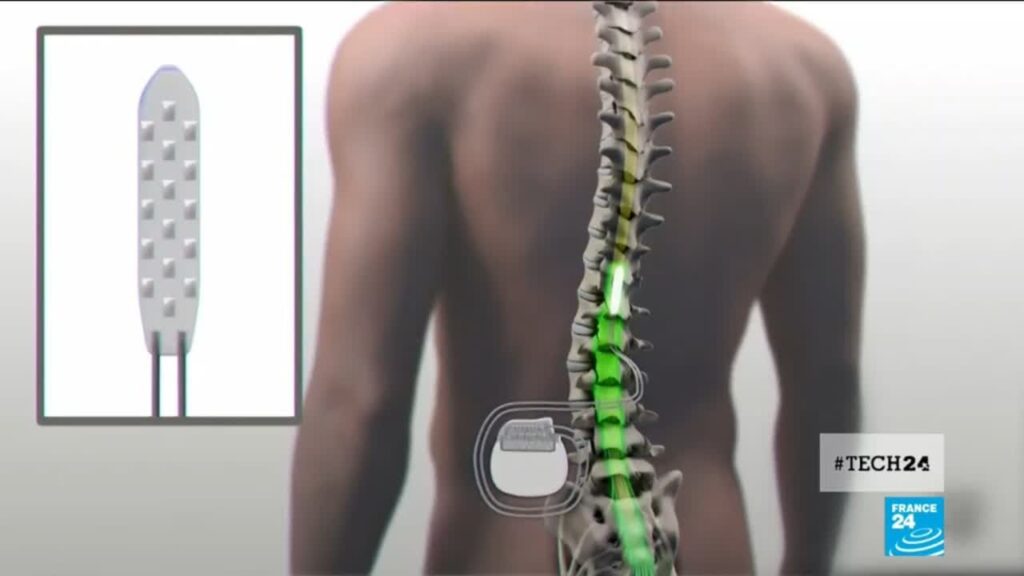
Chronic back pain is one of the leading causes of disability worldwide. Traditional treatments often fail, but implantable spinal cord stimulators offer new hope. These devices block pain signals before they reach the brain.
The latest versions can be controlled via smartphone and feature AI algorithms that adjust stimulation for optimal relief, depending on posture or movement.
🧠 Imagine your implant learning your body’s rhythms and tuning itself like a guitar—automatically and silently.
Looking Ahead: From Passive to Proactive Care
These smart implants represent more than gadgets—they’re symbols of a larger shift in medicine: from reactive to proactive, from hospital-based to patient-empowered care.
By combining data, AI, and miniaturized sensors, we’re not just extending life—we’re improving quality of life. And the best part? This is just the beginning.
🧬 Whether you’re a tech enthusiast, a healthcare professional, or simply someone curious about the future of health, smart implants are one of the most exciting frontiers to watch.
Leave a Reply