Neurosurgery sits at one of the most fascinating frontiers of medicine. It deals with the brain, spinal cord, and nerves — the delicate network that allows you to speak, remember your childhood, recognize your mother’s face, or move your hand to pick up a coffee cup.
In simple terms: a neurosurgeon works on the system that makes you feel like you.
That alone explains why this specialty attracts so much curiosity. To many people, the brain feels almost mythical — something between science and philosophy. It is the organ that inspired books like Frankenstein, where science challenges the boundaries of life itself, and even today, brain surgery still feels like a chapter from a futuristic novel.
But what is it really like to become a neurosurgeon? And why do so many people say it is one of the hardest careers in the world?
Musumeci Online – The Podcast. It is perfect for driving, commuting, or waiting in line!
The Long Road: How Many Years Does It Take?
A common surprise: becoming a neurosurgeon is not a “long degree.” It is a long life project.
In many countries, the full path typically takes 14 to 16 years from university entry to independent practice. That usually includes:
- Undergraduate studies
- Medical school
- Internship
- Residency
- Often additional fellowship training
That means if someone starts at 18, they may not practice independently until their early to mid-30s.
A useful comparison: imagine training for a profession from the day the first Harry Potter and the Philosopher’s Stone movie came out and only finishing when the entire series ended. That’s roughly the same span.
This is one reason neurosurgery is often described less as a job and more as a vocation.
Is Neurosurgery Harder Than General Surgery?
This question comes up constantly among medical students.
The honest answer: they are difficult in different ways, but neurosurgery is often considered among the most demanding surgical specialties because the margin for error is extremely small.
A general surgeon may remove an inflamed appendix. A neurosurgeon may remove a tumor millimeters from the area controlling speech or movement.
That is like repairing a smartphone versus repairing the single processor chip that controls the entire device — while it is switched on and the owner is using it.
That doesn’t make general surgery “easy”; it means neurosurgery often combines:
- extreme precision,
- long operations,
- intense decision-making,
- and outcomes that can permanently alter identity, memory, or mobility.
A six-hour operation is not unusual. Some cases stretch beyond twelve hours.
What Kind of Person Becomes a Neurosurgeon?
The stereotype is “genius with no social life.”
Reality is more nuanced.
Many neurosurgeons share certain traits:
- high tolerance for stress,
- exceptional concentration,
- emotional resilience,
- curiosity about complex systems,
- patience for very long-term goals.
But perhaps the most overlooked trait is something simpler: comfort with uncertainty.
A neurosurgeon can perform everything correctly and still have a poor outcome, because the nervous system is so complex. That means they must accept that perfection in effort does not always mean perfection in result.
Reddit discussions among residents often describe the field as rewarding but emotionally intense, especially because outcomes can change a person’s life in an instant.
One resident described it as:
“You have to love neurosurgery more than any other specialty“
That may sound dramatic, but it captures something true: this specialty usually attracts people who are deeply fascinated by the nervous system, not just by prestige.
The Day You Realize the Brain Is Not Just an Organ
A famous anecdote from early neurosurgery involves Wilder Penfield, one of the pioneers of modern brain surgery.

During operations performed with patients awake (yes, some brain surgeries are done while patients are conscious), Penfield stimulated tiny areas of the brain with electrical probes.

Patients suddenly reported vivid memories: hearing songs from childhood, smelling kitchens from decades earlier, or reliving forgotten moments.
Imagine touching a small point on the brain and unlocking an old summer afternoon from when someone was seven years old.
That changed how scientists understood memory forever.
It also shows why neurosurgery fascinates even people who never plan to study medicine: it reveals that memory, emotion, language, and identity are physical processes — yet still feel almost magical.
Is Neurosurgery the Hardest Medical Specialty?
Many rankings place it among the hardest, but “hardest” depends on what you mean.
If you mean:
- longest training → yes, among the longest
- most competitive → very competitive
- emotionally demanding → often yes
- technically challenging → absolutely
But difficulty is not just technical.
A neurosurgeon may need to tell a family that a loved one survived surgery but may never walk again, speak again, or remember them.
That emotional weight is harder to measure than years of study.
The Myth: Neurosurgeons Only Operate on the Brain
Actually, much of modern neurosurgery involves the spine.

Many neurosurgeons spend significant time treating:
- spinal disc problems,
- traumatic spinal injuries,
- nerve compression,
- chronic pain,
- movement disorders such as Parkinson’s disease,
- epilepsy,
- brain tumors.

So despite the name, the field is really the surgery of the entire nervous system.
Why People Are Drawn to It
For many future students, neurosurgery is attractive for one reason:
It combines two human obsessions:
- understanding consciousness,
- improving life through technology.
Modern neurosurgery uses:
- robotic systems,
- real-time imaging,
- AI-assisted planning,
- microscopic navigation,
- implanted neurodevices.
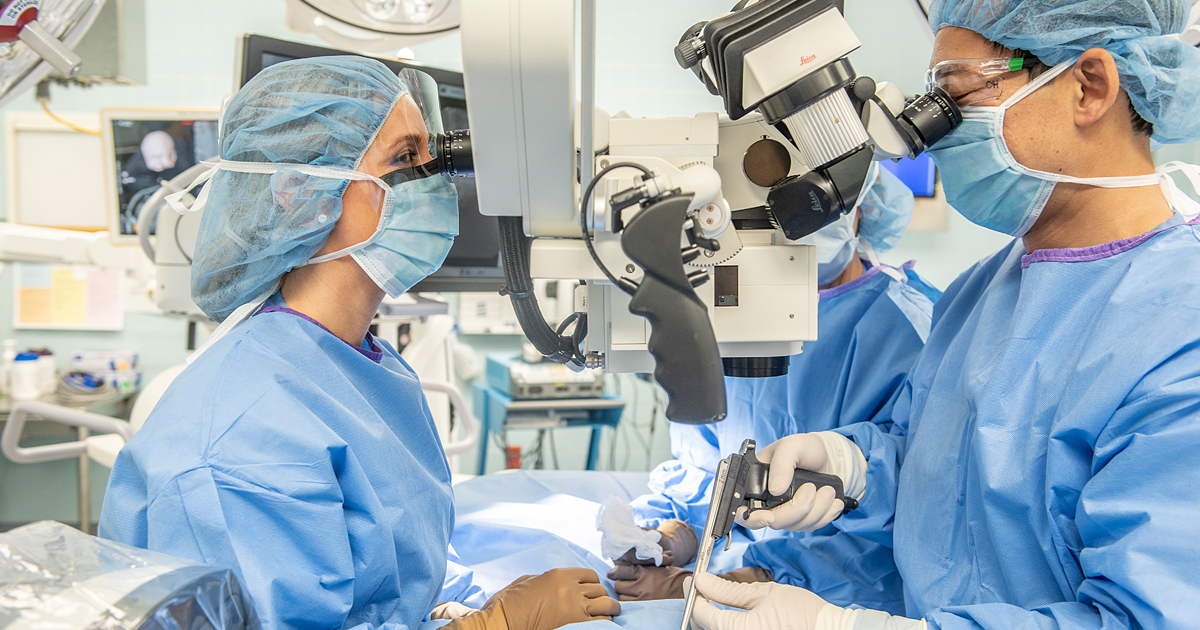
It is one of the clearest examples of medicine becoming a high-tech discipline. In some hospitals, surgeons navigate the brain using systems that resemble GPS maps, but for blood vessels and functional tissue.
The operating room increasingly looks less like the hospital scenes in old TV dramas and more like the bridge of the Star Trek Enterprise.
Questions People Also Ask
Can neurosurgeons have a normal life?
Yes, but “normal” depends on stage.
Training is intense. During residency, 70–80 hour weeks are common in many programs.
After specialization, schedules often improve, especially in private practice or subspecialties.
Are neurosurgeons always top students?
Not necessarily. Strong academic performance matters, but persistence matters just as much. The training path rewards endurance over many years.
Do neurosurgeons become rich?
In many countries, they are among the highest-paid physicians. But those earnings come after over a decade of delayed career progression, long training, and significant responsibility.
Is it worth it?
That depends entirely on motivation.
People drawn only by status often burn out. People fascinated by the brain often remain deeply committed.
Final Thought: Why Neurosurgery Captures the Imagination
Neurosurgery is not simply about removing tumors or fixing spinal injuries.
It is about intervening in the biological system that stores your memories, your language, your fears, your personality — the architecture of being human.
That is why it fascinates students, families, engineers, writers, and curious people at dinner parties.
The brain is still, in many ways, unexplored territory.
And neurosurgeons are among the few professionals who travel there every day.

Leave a Reply