Category: Medical Technology News
-

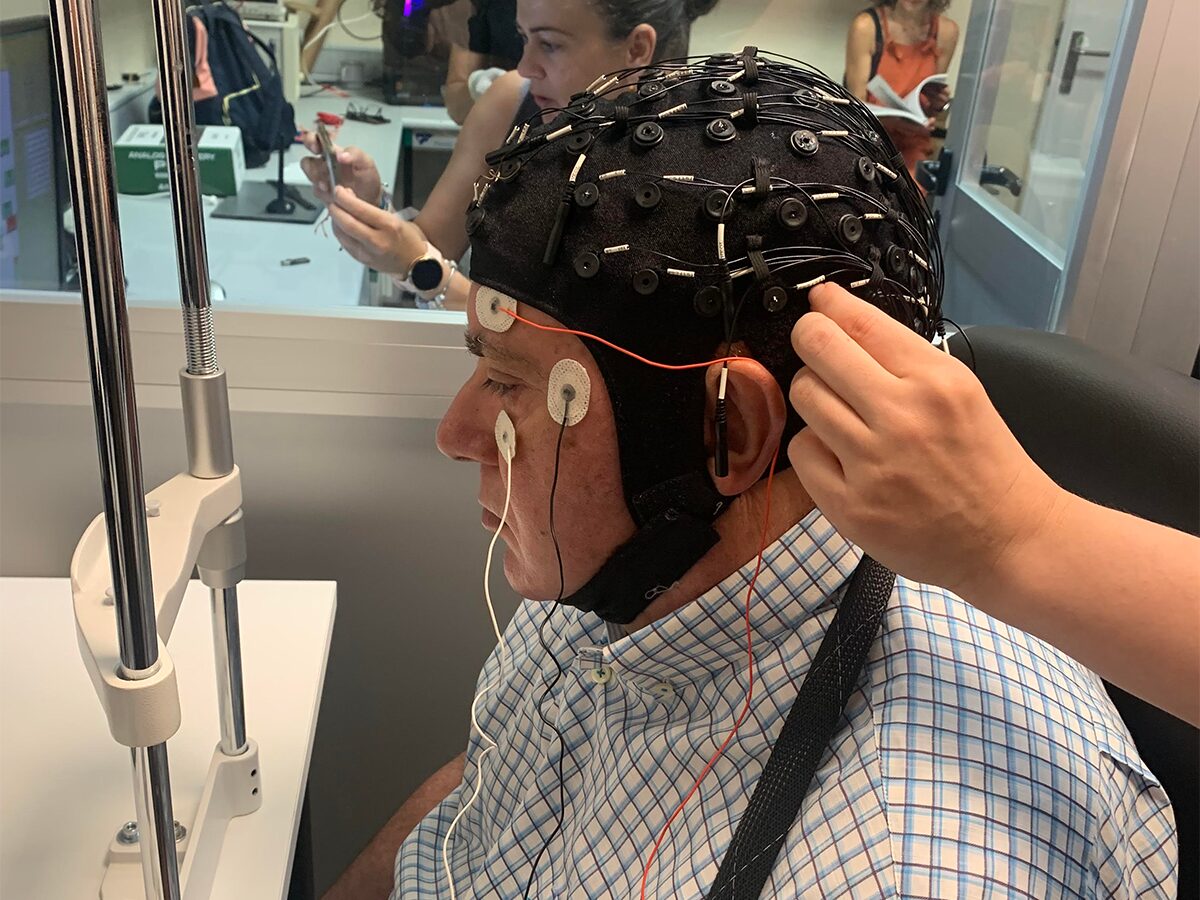
What used to be pure science fiction — computers talking to the human brain — is now one of the most exciting frontiers in medicine. In the last few years, scientists and engineers have achieved progress that just a decade ago would have seemed impossible: restoring part of a person’s sight through advanced implants and…
-

A quiet revolution is happening in healthcare — not inside hospitals, but inside our phones. For years, people have used technology to count steps, track sleep, and Google strange symptoms at midnight. Now something more ambitious is emerging. OpenAI has introduced ChatGPT Health, a new experience inside ChatGPT designed to bring together medical records, wellness…
-
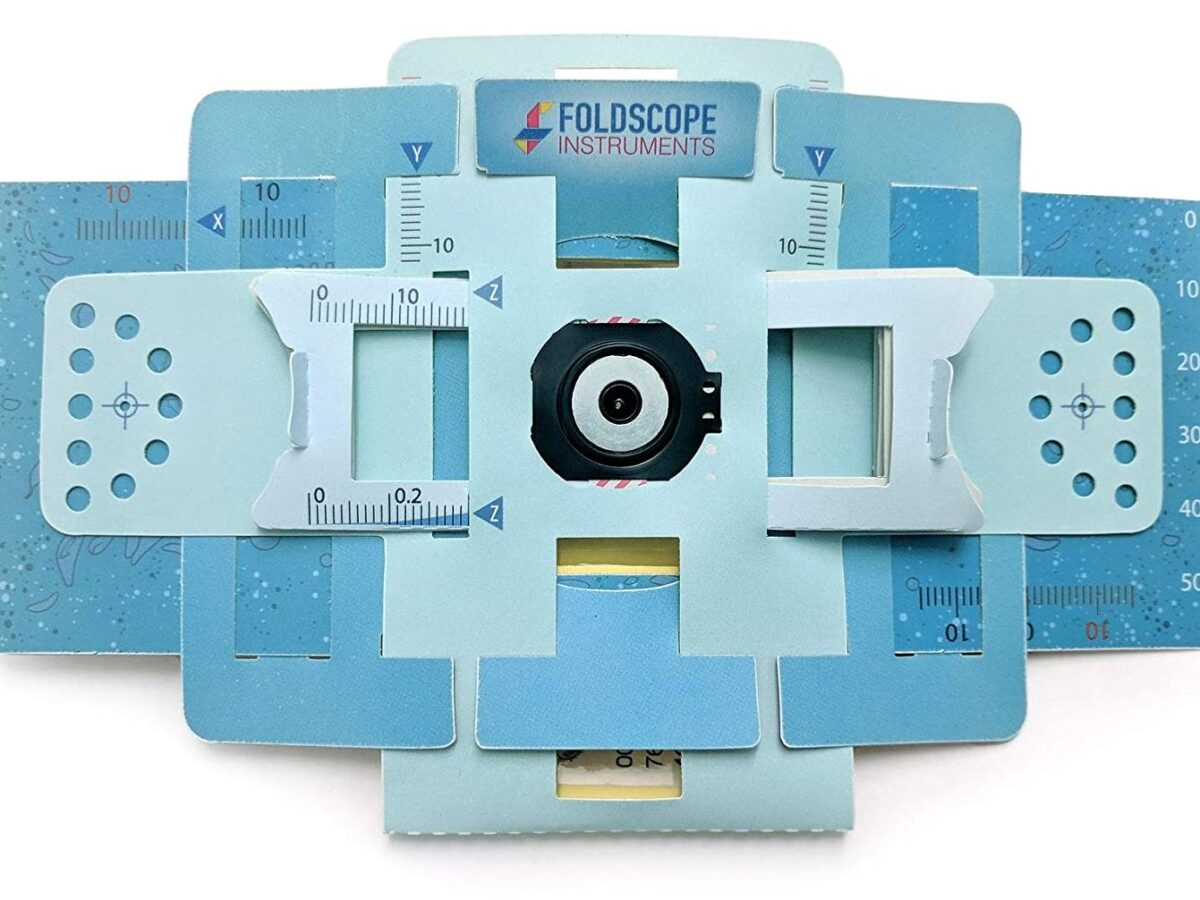
Sometimes, the most powerful ideas don’t arrive wrapped in complexity. They arrive folded. In a world fascinated by artificial intelligence, robotic surgery, and brain-computer interfaces, it may sound surprising that one of the most meaningful innovations in modern medicine is made largely of paper. Yet Foldscope — often called the paper microscope — reminds us…
-

In our fast-paced digital age, finding a moment of calm can feel like chasing the last ray of sunlight in a storm. Nearly every device buzzes, pings or displays something new — and our brains struggle to keep quiet. Yet, health-tech researchers are now combining two unlikely allies — sound therapy and artificial intelligence (AI)…
-

Brain surgery has always stood as one of medicine’s greatest frontiers — a territory where millimeters matter and uncertainty can change everything. For decades, neurosurgeons have operated with the precision of artists and the courage of astronauts, navigating the most complex organ in the human body. But something extraordinary is happening. Across hospitals and research…
-

Walk into a metro station in Shanghai, and you might find something unexpected — a sleek, glass booth where people stop not for tickets, but for a quick health check. In just eight minutes, these digital medical kiosks can measure your blood pressure, check your oxygen levels, connect you to a doctor through video, and…
-

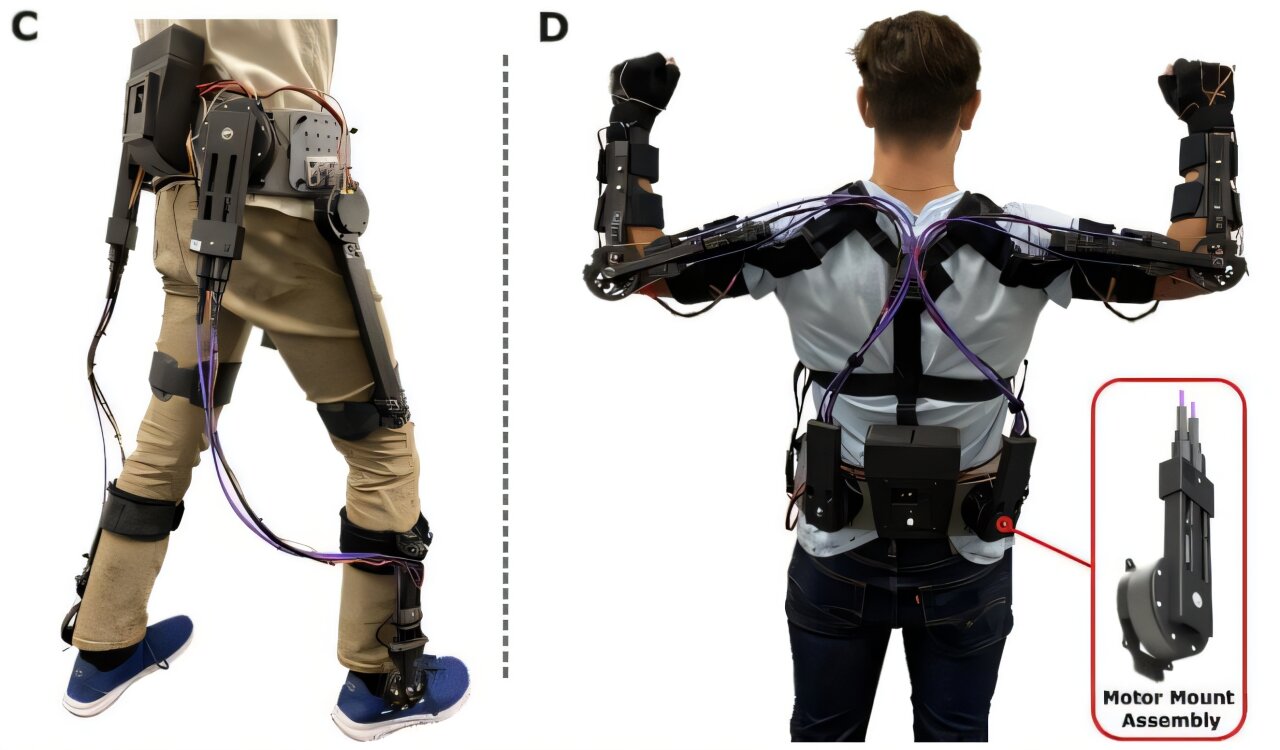
Not long ago, robotic exoskeletons felt like science fiction—something you’d see in superhero films or futuristic labs. But today, thanks to OpenExo, this vision is moving into the real world. OpenExo is an open-source, modular exoskeleton system that’s making it easier than ever for researchers, engineers, clinicians, and even curious innovators to create wearable robotic…
-

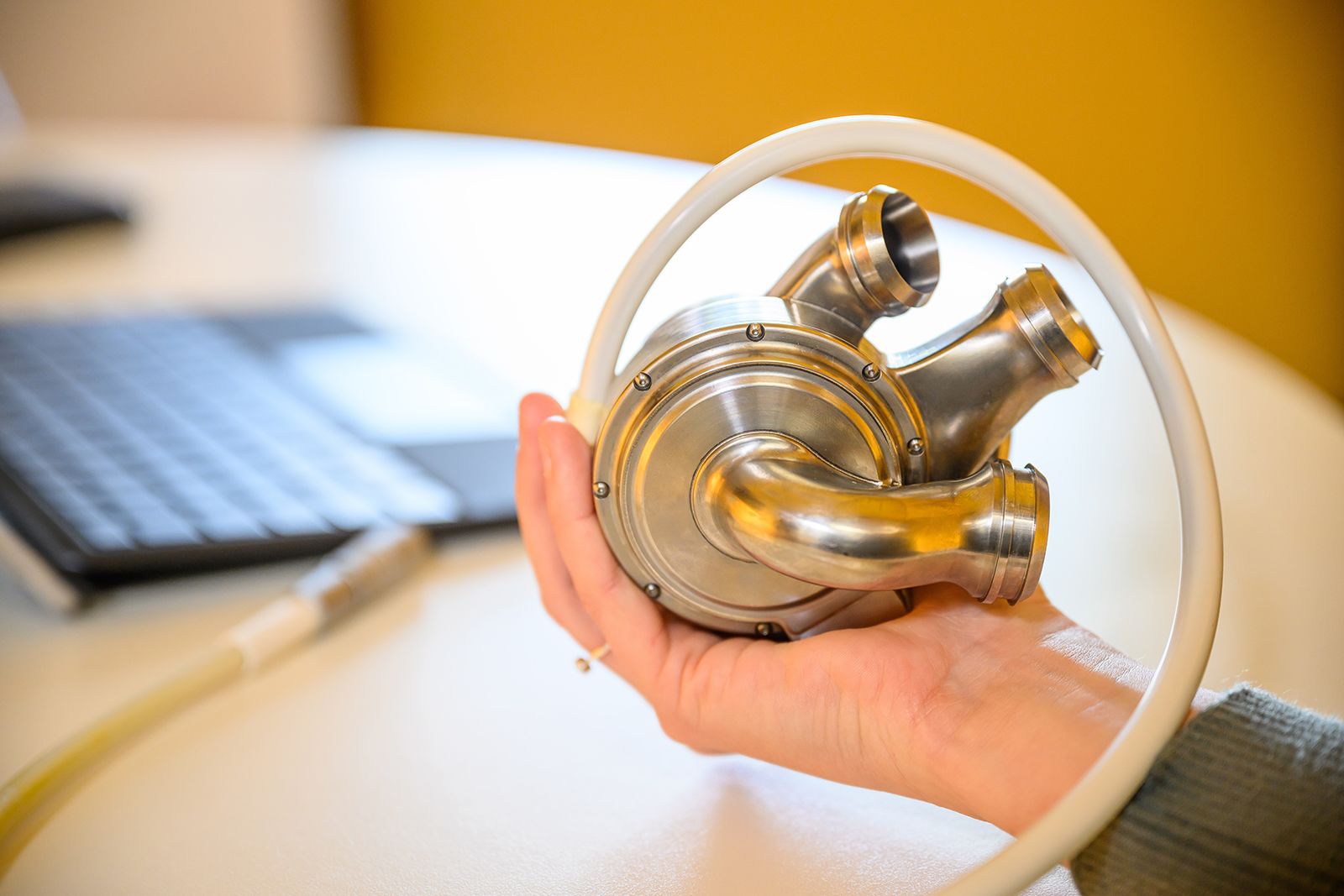
In a medical first that could redefine the future of heart failure treatment, BiVACOR—a U.S.-based medical technology company—has implanted its Total Artificial Heart (TAH) into a human patient for the very first time. This historic procedure was carried out at the Texas Heart Institute in Houston, one of the world’s leading centers for cardiovascular innovation.…
-

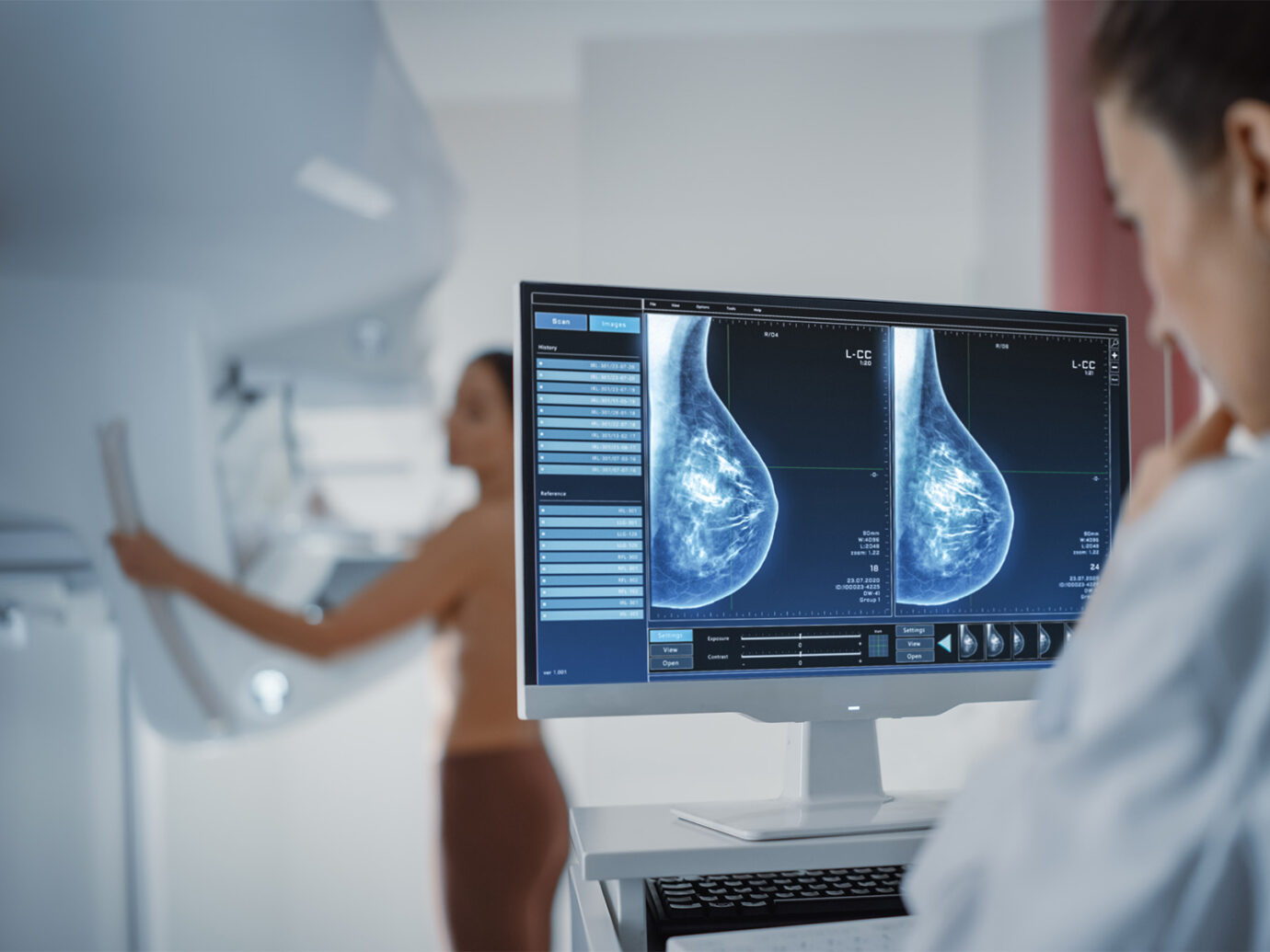
Imagine trying to spot a single white cloud in a bright, overcast sky. That’s the challenge doctors face when diagnosing breast cancer in women with dense breast tissue — a condition that affects nearly 4 in 10 women. Both the dense tissue and cancerous tumors appear white on traditional mammograms, making it hard to tell…
-

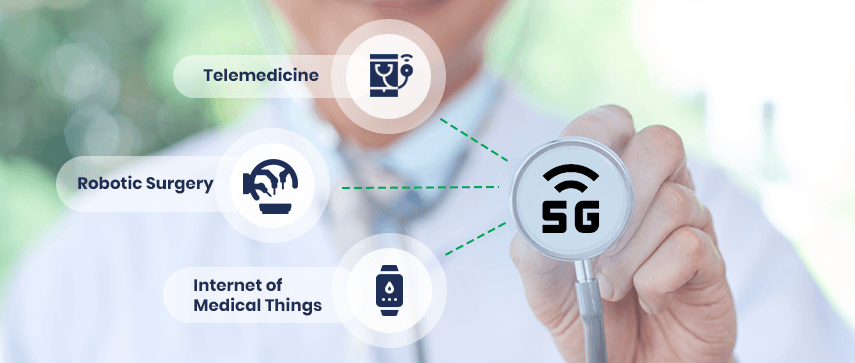
Picture a world where seeing your doctor is as easy as making a video call, no matter where you live. Thanks to 5G technology, this is quickly becoming a reality. The fifth generation of wireless networks, known as 5G, is changing the way doctors and patients connect, making healthcare faster, smarter, and more accessible than…