Patient care is entering a thrilling era where smart machines partner with human doctors. From reading medical images in seconds to predicting health issues before they arise, artificial intelligence (AI) is rapidly changing how we stay healthy. In this article, we’ll explore 10 AI diagnostic tools that are reshaping patient care in 2025. Each tool is presented in clear, everyday language, with relatable examples to make complex ideas feel familiar.
Musumeci Online – The Podcast. It is perfect for driving, commuting, or waiting in line!
1. AI-Powered Radiology Readers
Tool in Focus: Aidoc AI
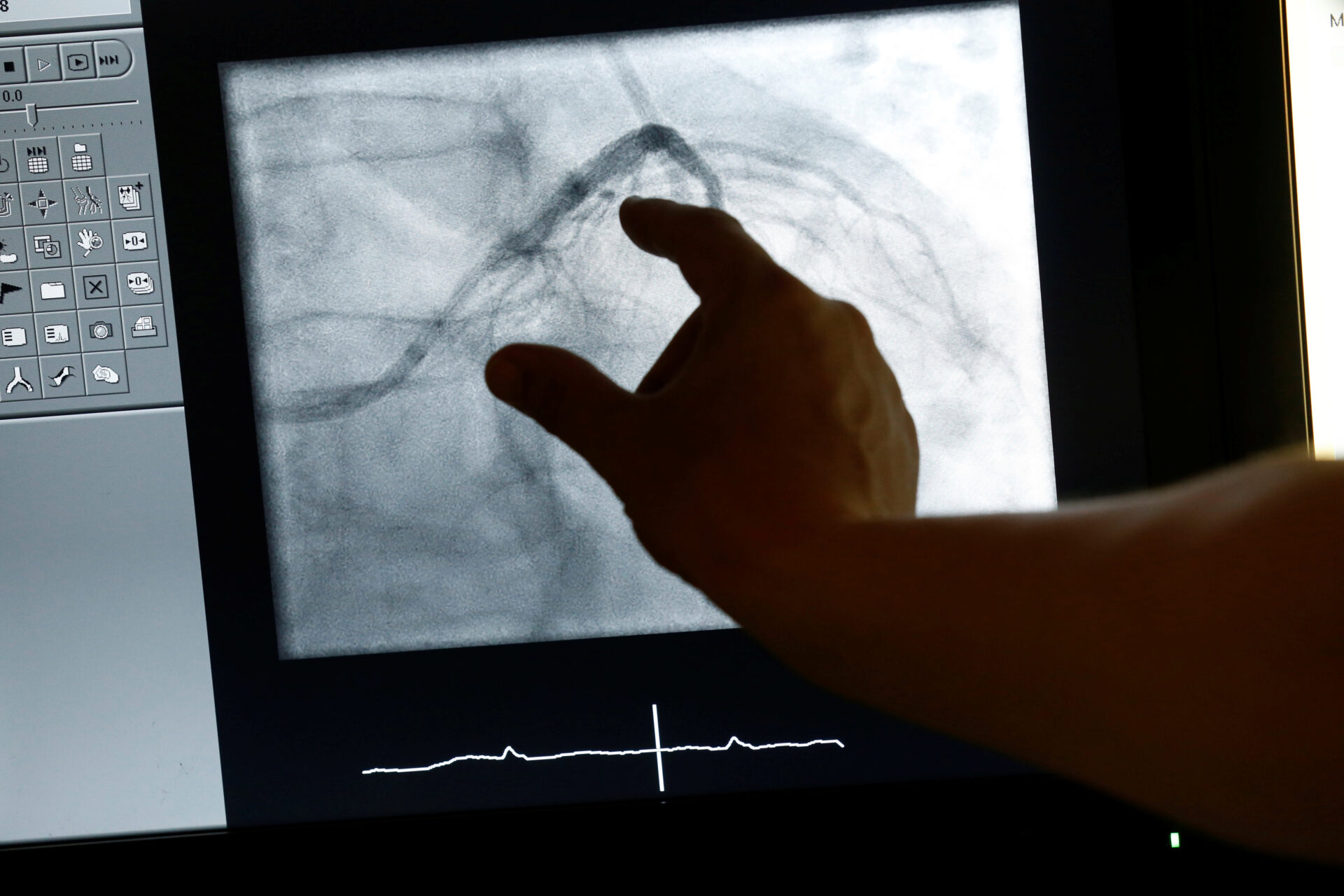
Often seen as an assistant in a hospital’s imaging department, Aidoc AI scans CT and MRI images to flag critical issues like brain bleeds or lung nodules.
- How it works: Imagine reading a 500-page book in just a few minutes. That’s what Aidoc does—scanning thousands of images in seconds.
- Everyday example: It’s like having a second pair of super-sharp eyes on every X-ray.
By catching 95% of urgent findings, Aidoc helps radiologists prioritize the sickest patients first—similar to spotting the one child who needs help in a crowd of 100 playground kids.

2. Diabetic Retinopathy Detection
Tool in Focus: IDx-DR
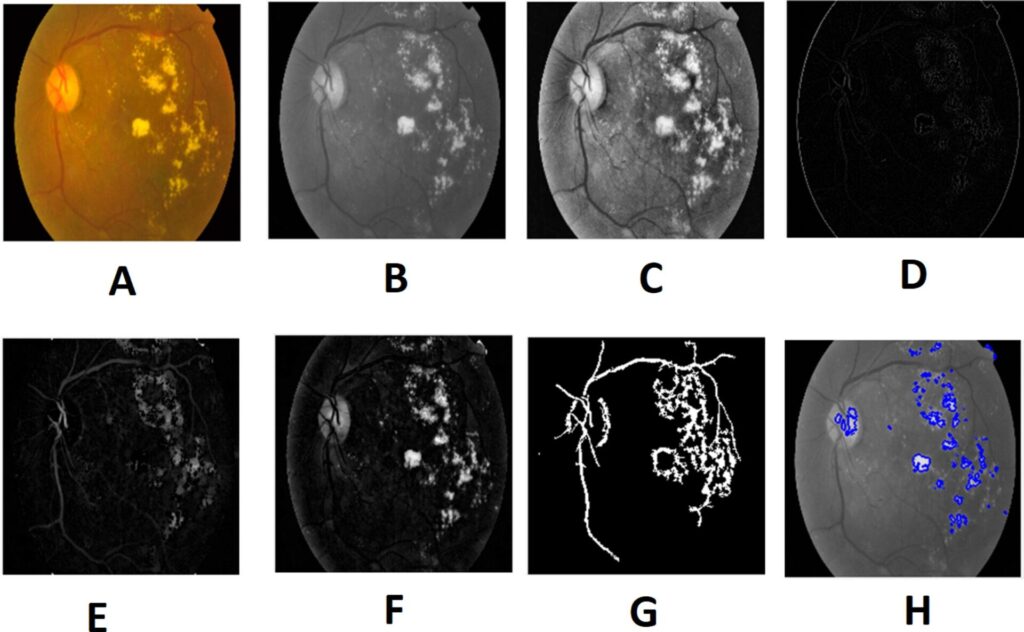
Did you know AI can look into your eyes and spot early signs of diabetes damage? IDx-DR analyzes retina photos and flags trouble before symptoms appear.
- Simple metaphor: Think of it as a smoke detector for your eyes, warning you well before the fire spreads.
- Real-world impact: In clinical trials, this tool matched specialist accuracy 90% of the time, helping patients save their sight.
3. Automated ECG Interpretation
Tool in Focus: Apple Watch’s ECG App
In today’s world, many people wear smartwatches that measure electrical activity of the heart. The Apple Watch’s built-in ECG feature detects irregular rhythms like atrial fibrillation.
- Basic idea: It’s like having a tiny heart monitor on your wrist, ready to alert you in real time.
- Daily life parallel: Imagine a friend who gently nudges you whenever your heartbeat skips a beat.
Early detection of arrhythmias can reduce stroke risk by about 30%, giving patients extra years of healthy life.
AI-Driven Skin Lesion Screening
Tool in Focus: SkinVision
Next time you notice a new mole or freckle, SkinVision can help you decide whether to see a dermatologist. Users take a smartphone photo, and the app rates the risk.
- Everyday analogy: It’s like having a pocket dermatologist giving a first opinion.
- Accuracy in practice: Studies show up to 87% accuracy in spotting suspicious lesions, so you don’t miss the early warning signs.

5. Voice-Based Respiratory Analysis
Tool in Focus: ResApp Health
Consider speaking into your phone to diagnose a cough or asthma. ResApp’s AI listens to the sound of breathing and classifies conditions.
- Think of it as: A digital stethoscope that’s always with you.
- Example scenario: While chatting with a friend, your phone notices a wheeze and suggests contacting your doctor.
This approach can detect pneumonia with up to 85% accuracy, helping guide early treatment.
AI tools bring speed, accuracy, and personalization to patient care—much like having dozens of specialists reviewing your case at once.
6. Predictive Analytics for Sepsis
Tool in Focus: Epic Sepsis Model
In a busy hospital ward, sepsis can be hard to spot early. Epic’s AI model looks at vital signs, lab results, and patient history to predict sepsis risk hours before it becomes severe.
- Simple comparison: Like a weather forecast for your health—warning you before the storm hits.
- Everyday tie-in: Just as you check the weather before leaving home, doctors review AI risk scores to prepare antibiotics sooner.
Hospitals using this model have reduced sepsis mortality rates by nearly 20%.
7. AI-Enhanced Pathology Slides
Tool in Focus: Paige Prostate
Pathologists examine tissue slides under a microscope to find cancer cells. Paige Prostate uses AI to highlight suspicious areas, speeding up cancer diagnosis.
- Metaphor: Imagine a highlighter pen marking important sentences in a novel.
- Impact in clinics: It can cut review time by half, so patients start treatment sooner.
8. Neurotechnology for Early Alzheimer’s
Tool in Focus: NeuroSense AI
Rather than waiting for memory loss to show up, NeuroSense analyzes subtle speech patterns and memory tests to predict Alzheimer’s risk years in advance.
- How to picture it: Like reading the fine print on a contract—picking up clues others miss.
- Patient benefit: Early detection opens doors to lifestyle changes and therapies that slow cognitive decline.
9. Smart Implants with Real-Time Monitoring
Tool in Focus: Medtronic’s Percept™ PC
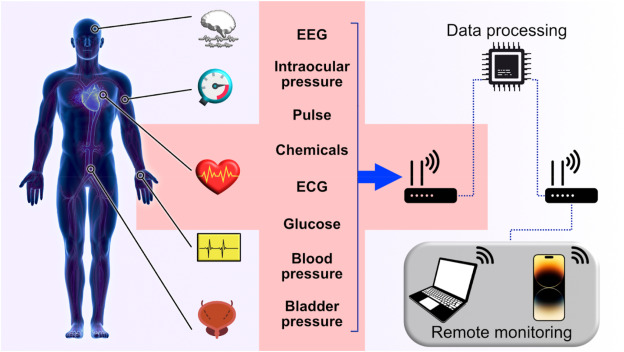
Sometimes, implants like pacemakers do more than just keep your heartbeat regular—they now send data back to your doctor. Medtronic’s Percept ™ PC measures brain signals for Parkinson’s patients and adjusts stimulation in real time.
- Daily life analogy: It’s akin to a smart thermostat that learns your temperature preference and auto-adjusts.
- Effect on quality of life: Patients report up to 40% fewer tremors, helping them enjoy everyday activities again.
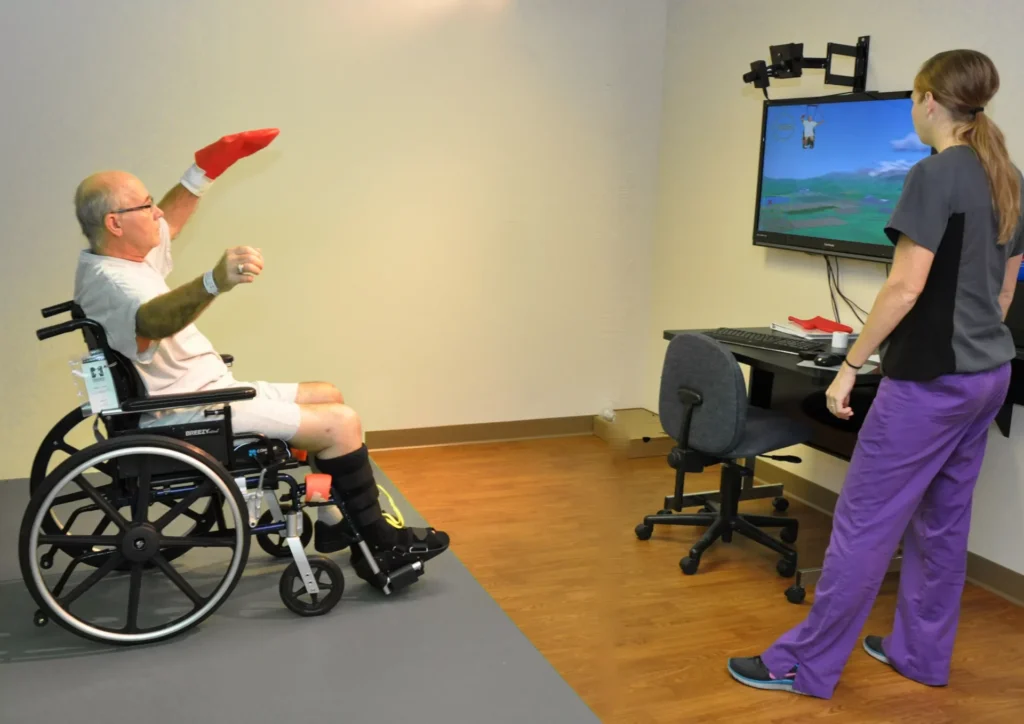
10. Virtual Reality (VR) Rehabilitation
Tool in Focus: MindMotion™ PRO
In rehabilitation centers, VR games guide stroke survivors through arm-lifting exercises. MindMotion™ PRO adapts difficulty based on patient performance.
- Fun comparison: Picture a video game where your arm movement controls a friendly avatar.
- Motivational boost: Patients complete 30% more therapy missions because it feels like play, not work.
Why These Tools Matter
Every day, over 1,000 people receive a new medical diagnosis in the United States alone. AI tools bring speed, accuracy, and personalization to patient care—much like having dozens of specialists reviewing your case at once. By 2025, these technologies aren’t science fiction; they’re part of routine healthcare.
Looking Ahead
With AI diagnostics, we’re moving toward a future where:
- Early detection gives patients more treatment options.
- Personalized care tailors therapy to each individual’s needs.
- Healthcare access improves in remote areas through smartphone apps.
Whether you’re a curious reader or someone thinking about their next check-up, these innovations offer hope and optimism. The next time you visit a clinic or check your smart device, remember: a powerful AI companion might be working behind the scenes to keep you healthy.
Leave a Reply