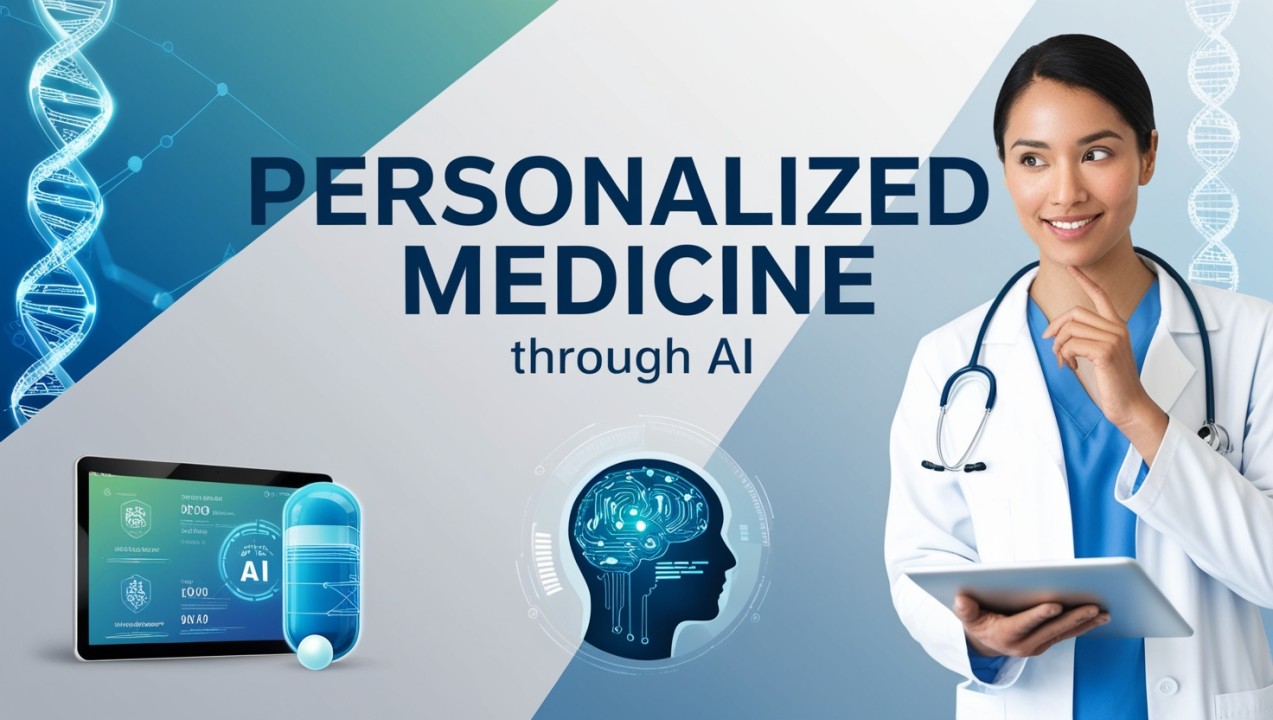
Not long ago, managing your health meant juggling doctor visits, paper reports, and advice that often felt generic. Today, something very different is beginning to take shape: artificial intelligence tools that can look at your health data and help you make sense of it in everyday language.
Musumeci Online – The Podcast. It is perfect for driving, commuting, or waiting in line!
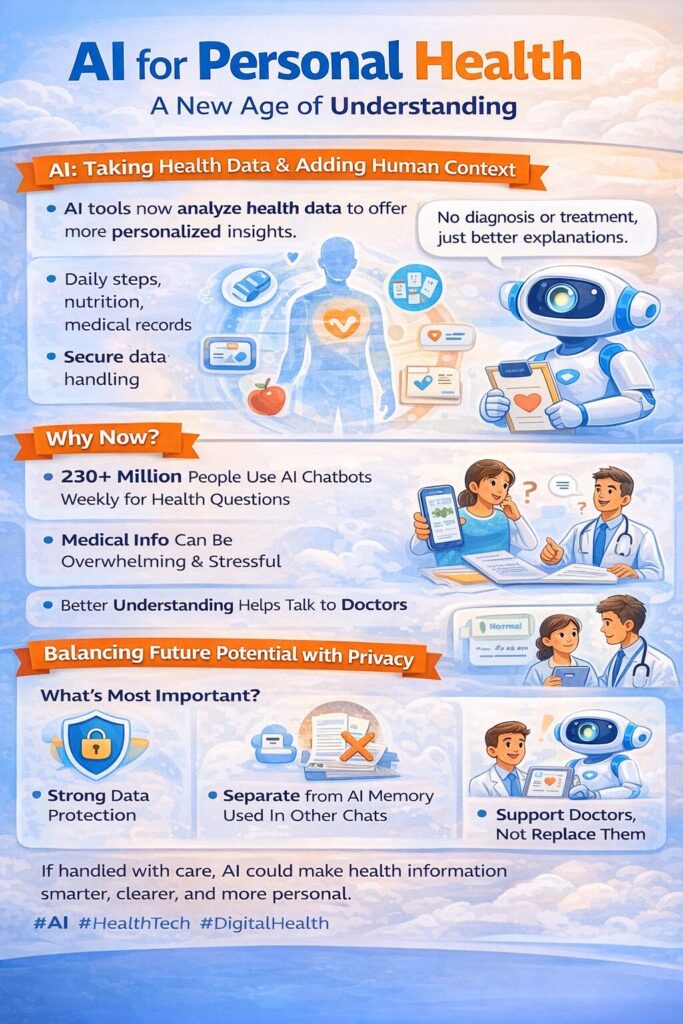
Recent developments in AI-powered health features—such as new capabilities introduced in conversational tools like ChatGPT Health —signal a turning point in how people interact with medical information. Instead of searching endlessly online or decoding complex reports, individuals can now ask questions and receive explanations tailored to their own data.
This shift does not replace doctors. But it may change how prepared, informed, and confident patients feel before and after medical appointments.
From One-Size-Fits-All Advice to Personal Context
Think of traditional online health information like a general cookbook. It gives you recipes, but not necessarily the one that fits your fridge. AI-driven health tools aim to do something different: they look at your ingredients.
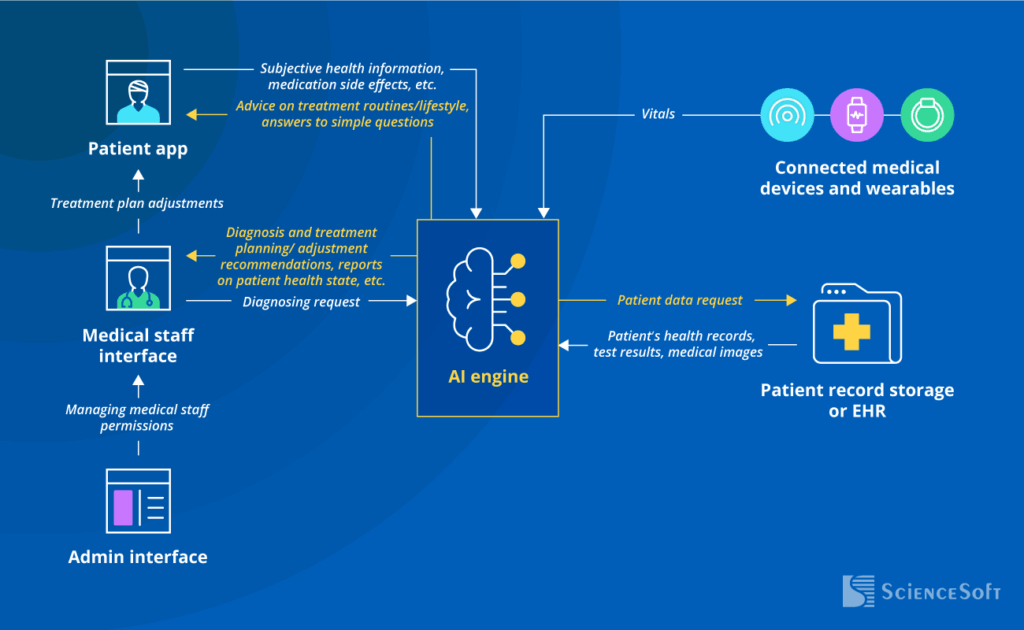
By allowing users to connect data from fitness apps, nutrition trackers, or even medical records, AI systems can respond with more relevant explanations. For example, instead of saying “exercise is good for heart health,” the system might explain how walking 20 minutes a day compares to the activity level already recorded on your phone.
To put this into perspective, imagine a personal trainer who has already read your diary, your grocery list, and your calendar—then explains things calmly, without medical jargon.
Why This Matters to Millions of People
According to public statements from AI companies, hundreds of millions of users ask digital tools health-related questions every week. That is roughly the population of a large country, all seeking guidance at the same time.
Even small improvements in clarity can have a big impact. If just 10 out of every 100 people better understand their condition or medication thanks to clearer explanations, that is like filling a football stadium with people who feel more in control of their health.
Books like Thinking, Fast and Slow remind us that humans struggle with complex information, especially under stress. Health AI tools are designed to slow things down, translate complexity, and help people think more clearly about their options.
Privacy: The Invisible Line That Must Not Be Crossed
Health data is different from other information. Losing a password is inconvenient. Losing control over medical history is deeply personal.
That is why privacy has become one of the most discussed aspects of AI in healthcare. Leading organizations and digital rights groups emphasize that health-related conversations must be stored separately, protected carefully, and never reused for advertising or unrelated purposes.
In simple terms, people want AI to act like a trusted doctor’s notebook—useful, discreet, and locked away—rather than a social media feed.
This debate is especially relevant as regulations differ across regions. In parts of Europe, for example, strict data protection rules have slowed the rollout of such features, highlighting how seriously governments treat medical privacy.
Supporting Care, Not Replacing It
One important message repeated by developers and healthcare professionals alike is that these tools are meant to support, not replace, medical care.
AI can explain a blood test, summarize a medical report, or help prepare questions for a doctor. What it cannot do is perform an examination, feel symptoms, or take responsibility for treatment decisions.
A useful comparison is a navigation app. It can suggest routes and warn you about traffic, but you still drive the car.
Real-World Use Cases Already Emerging
Early use cases show promise in areas such as:
- Helping patients understand chronic conditions over time
- Explaining lab results in plain language
- Supporting lifestyle changes based on existing habits
- Reducing anxiety by offering calm, structured explanations
For healthcare systems under pressure, even saving a few minutes per consultation can add up—much like compound interest quietly grows savings over time.
A Quiet but Profound Shift in Healthcare
This moment may not feel dramatic. There are no robots walking hospital corridors or science-fiction scenes playing out. Instead, the change is subtle: better explanations, more context, and a sense that technology is finally learning to speak human.
If handled responsibly, AI tools that work with personal health data could help people move from confusion to understanding—and from passive patients to active participants in their own care.
The real challenge ahead is balance: unlocking the benefits of personalization while protecting what matters most—trust.
Leave a Reply